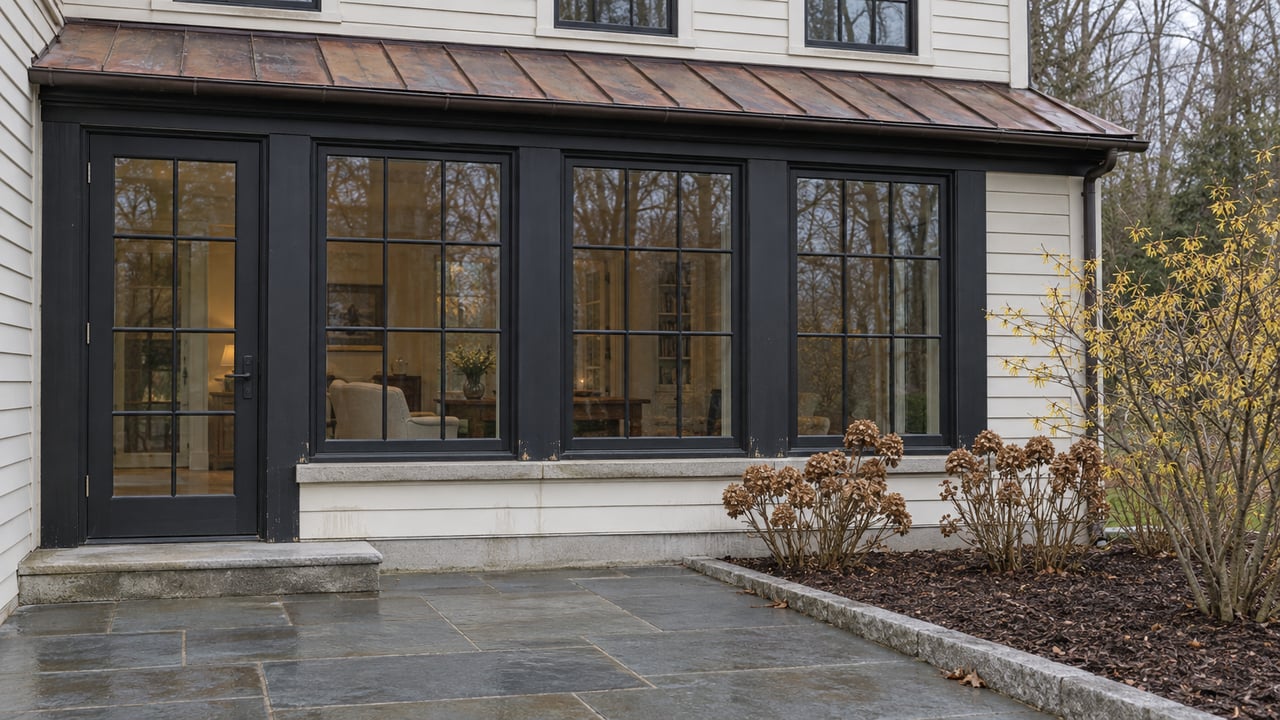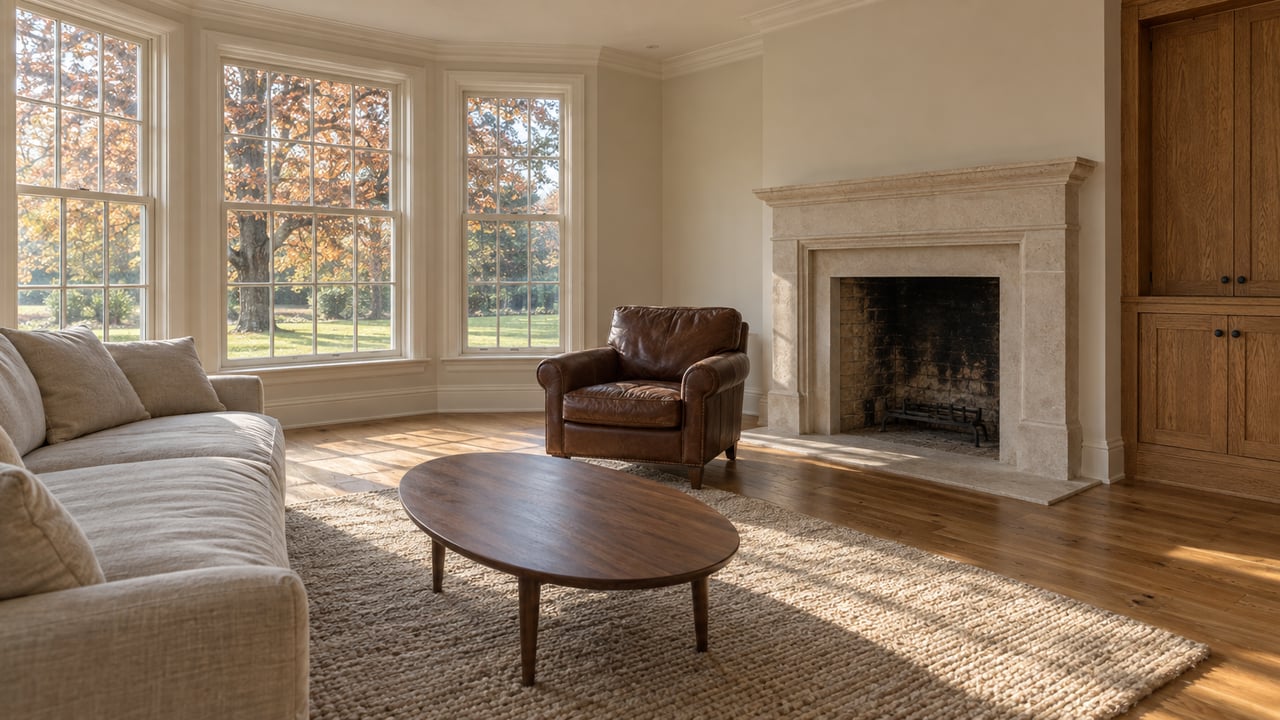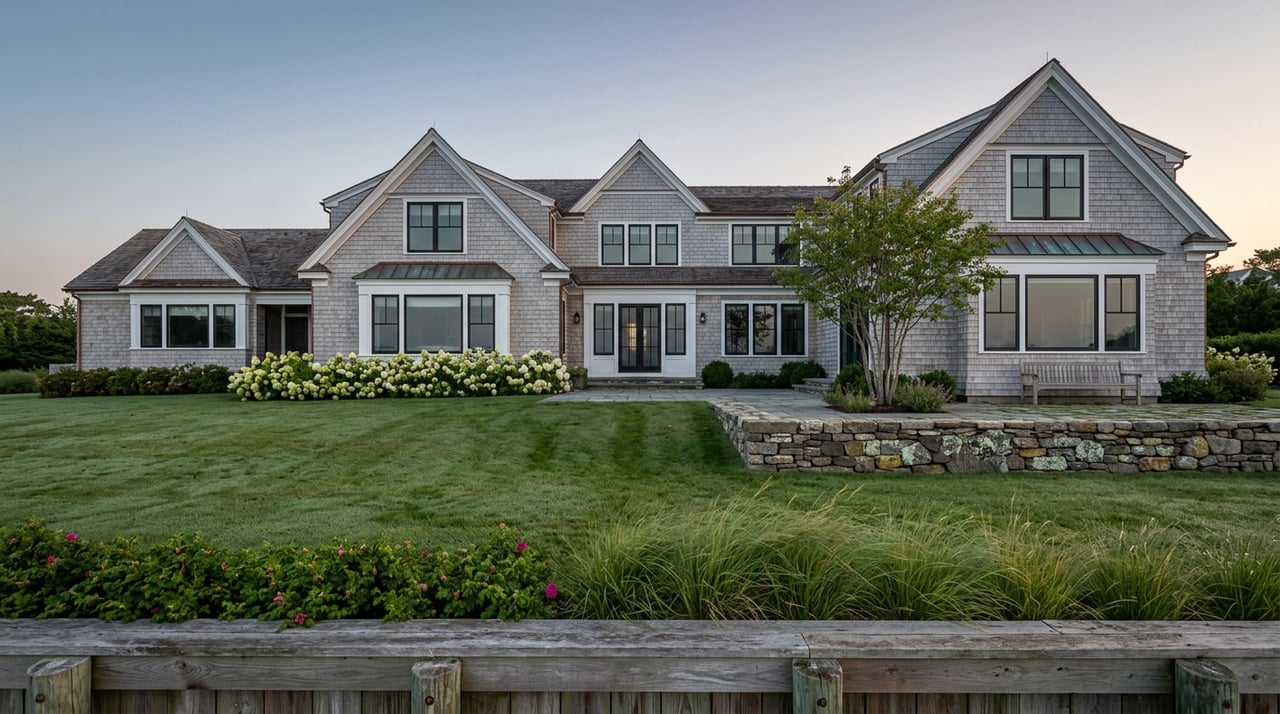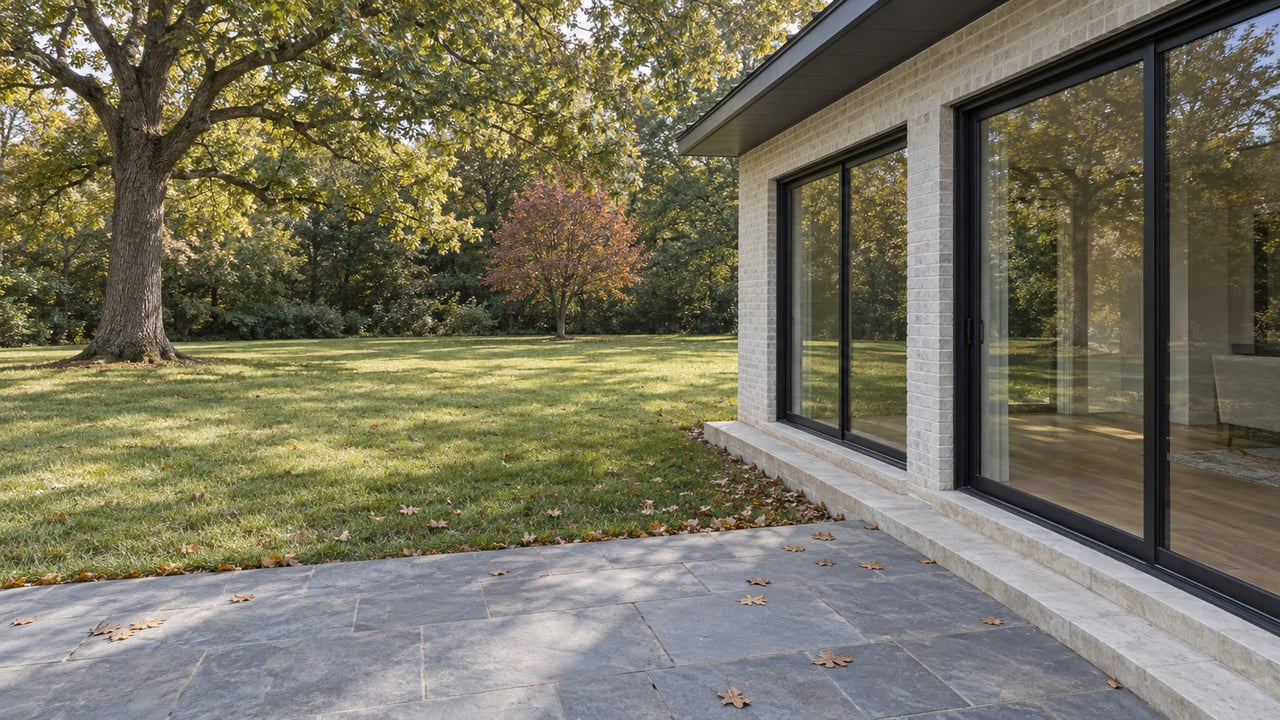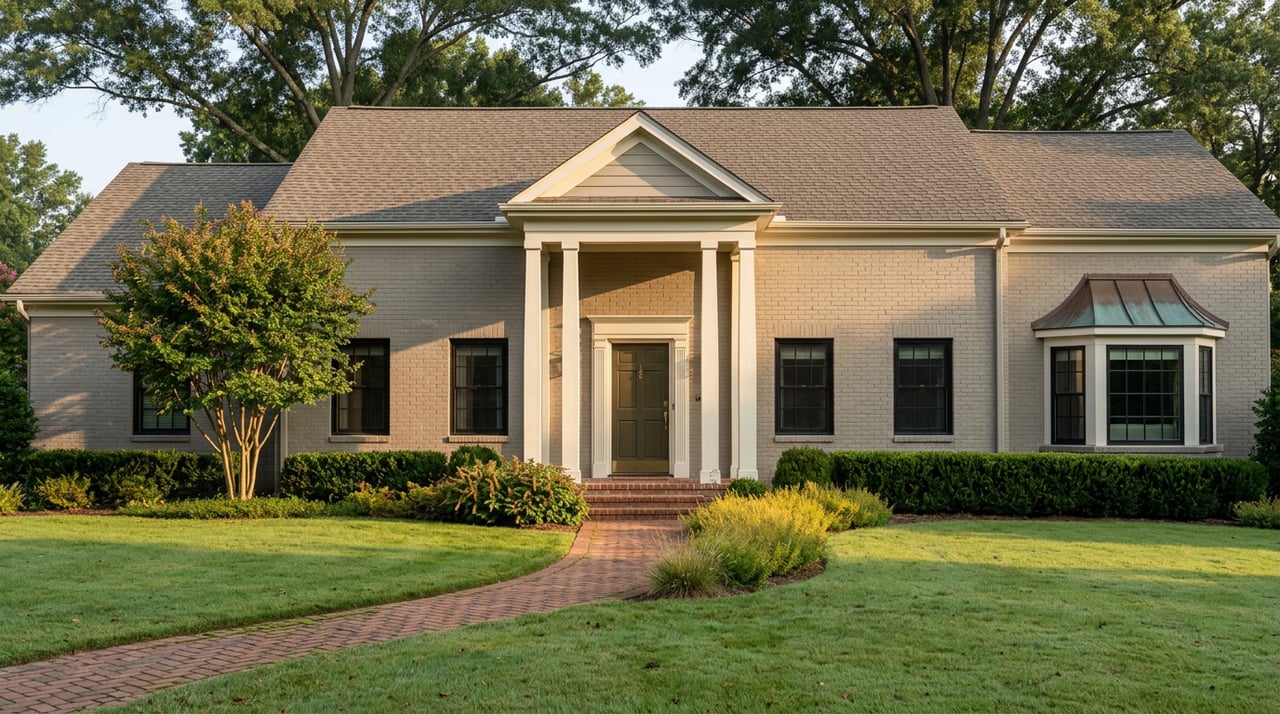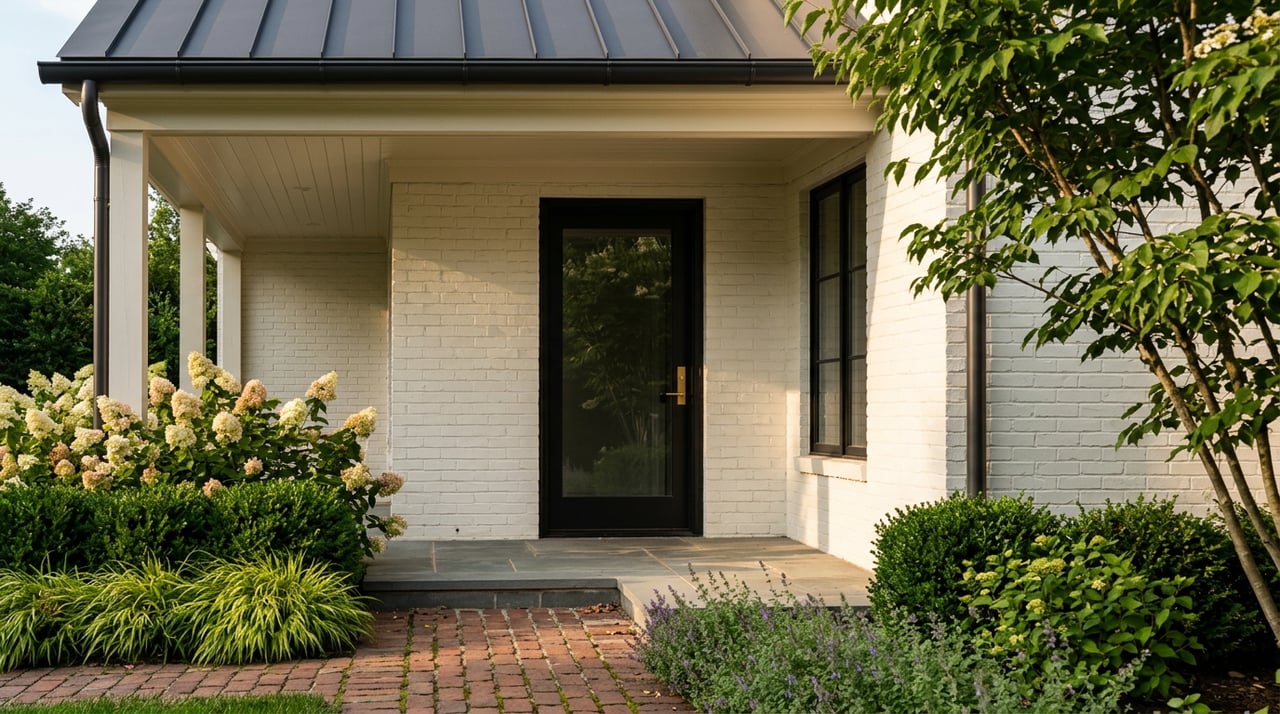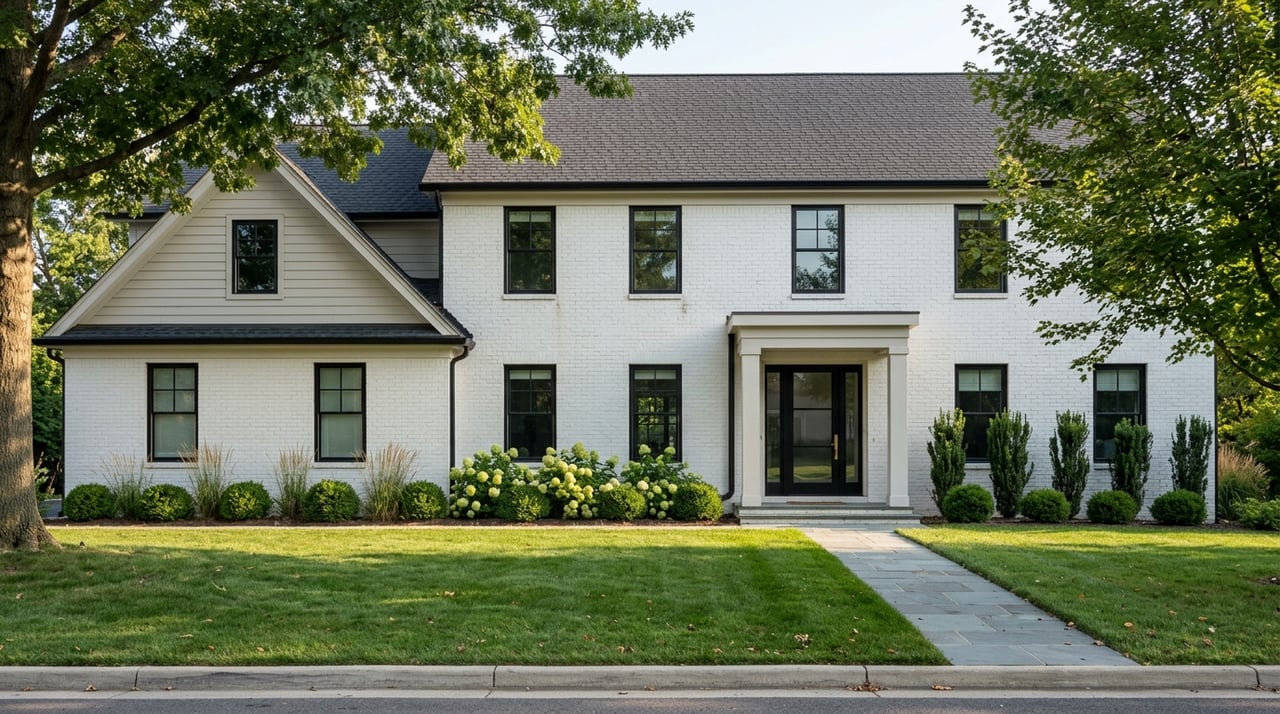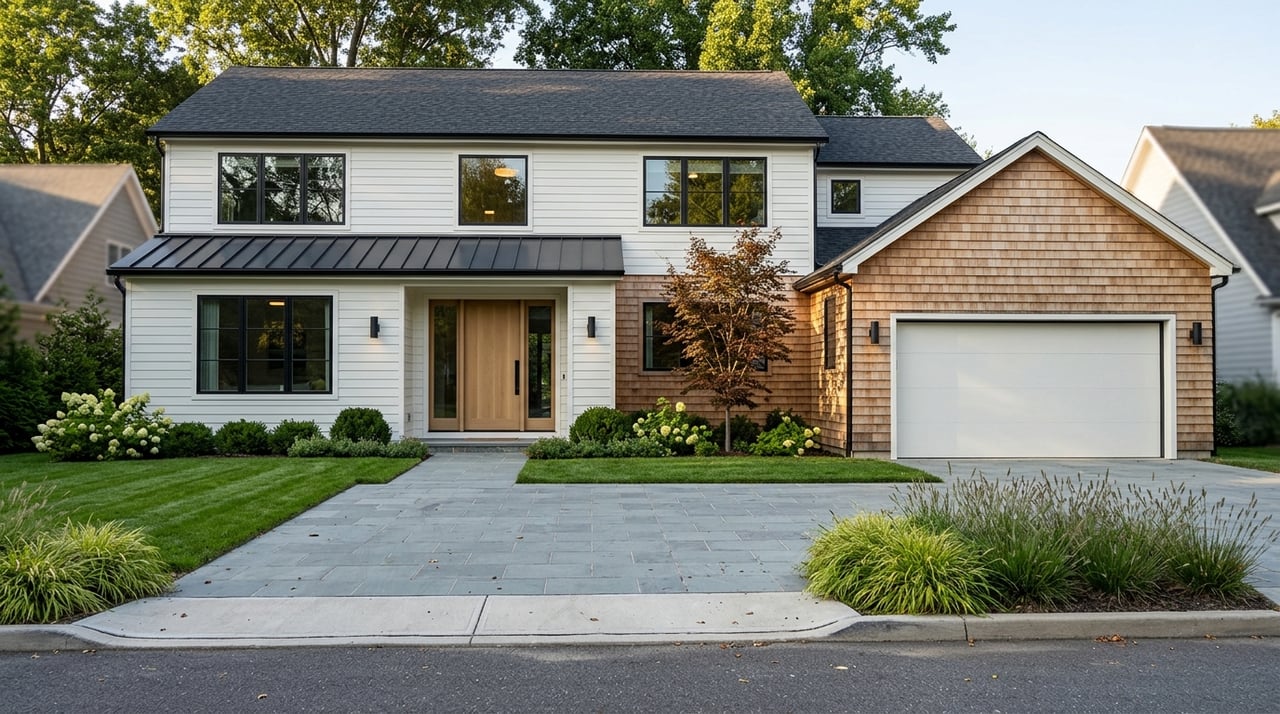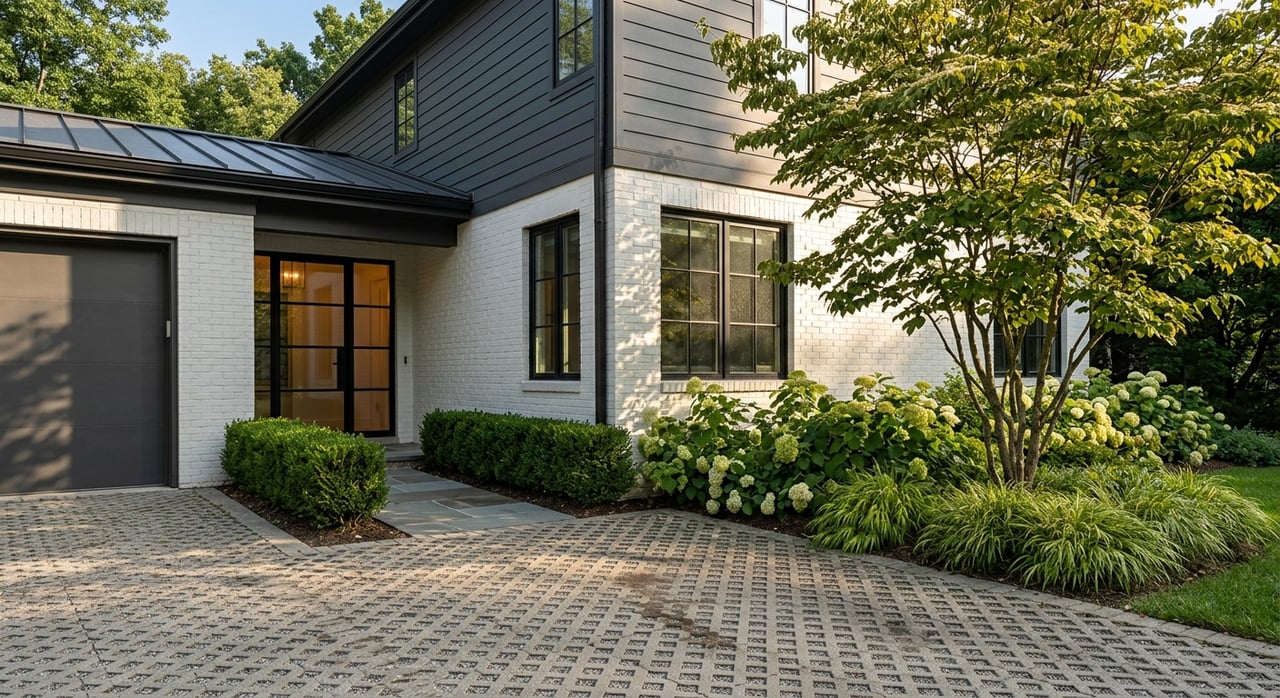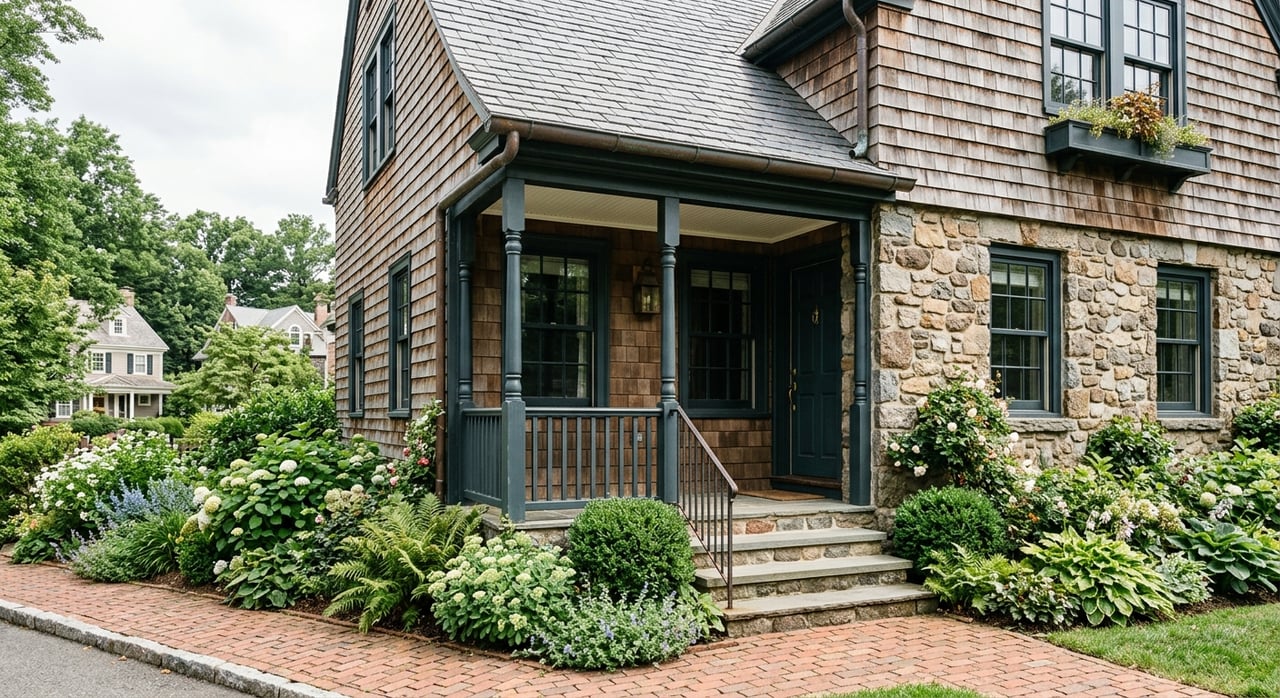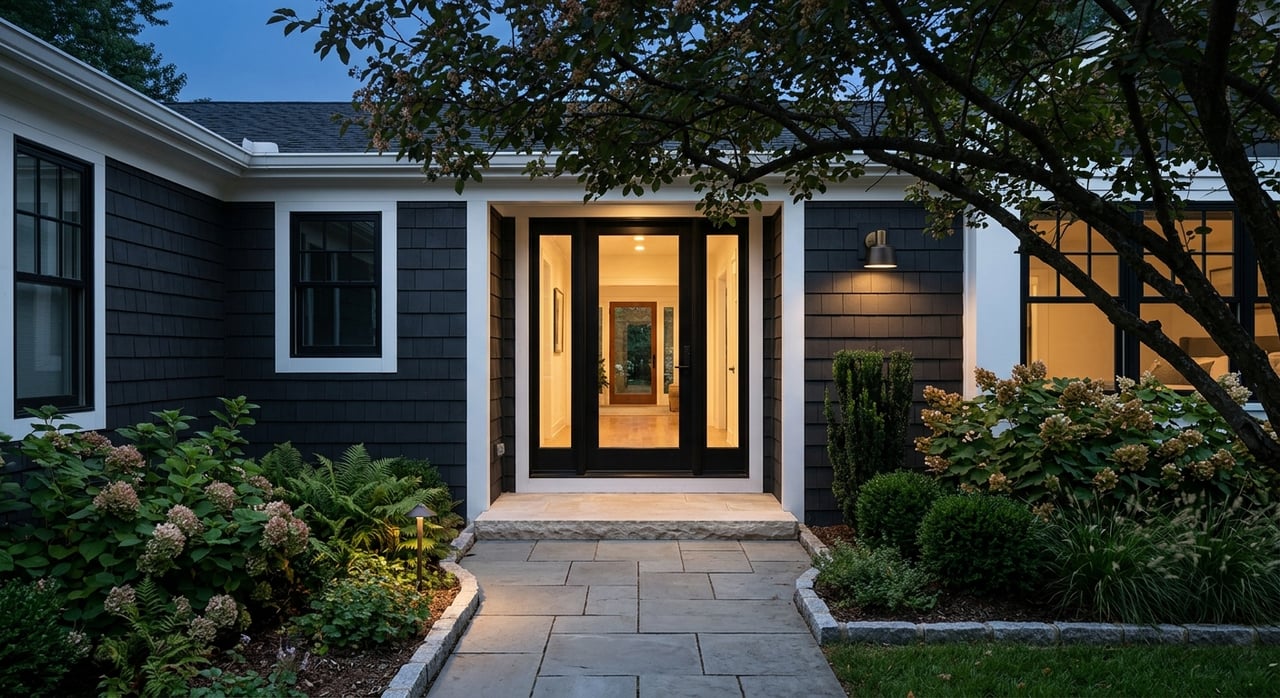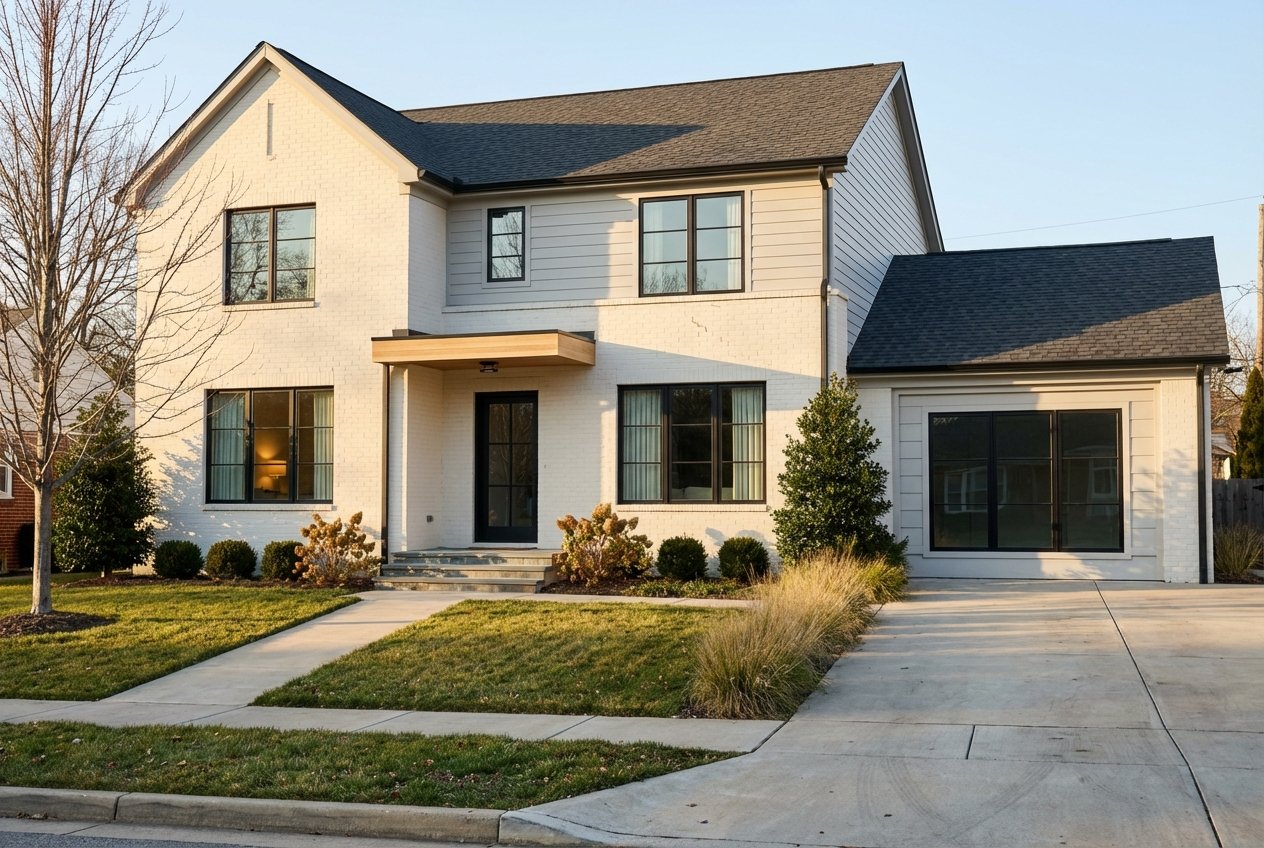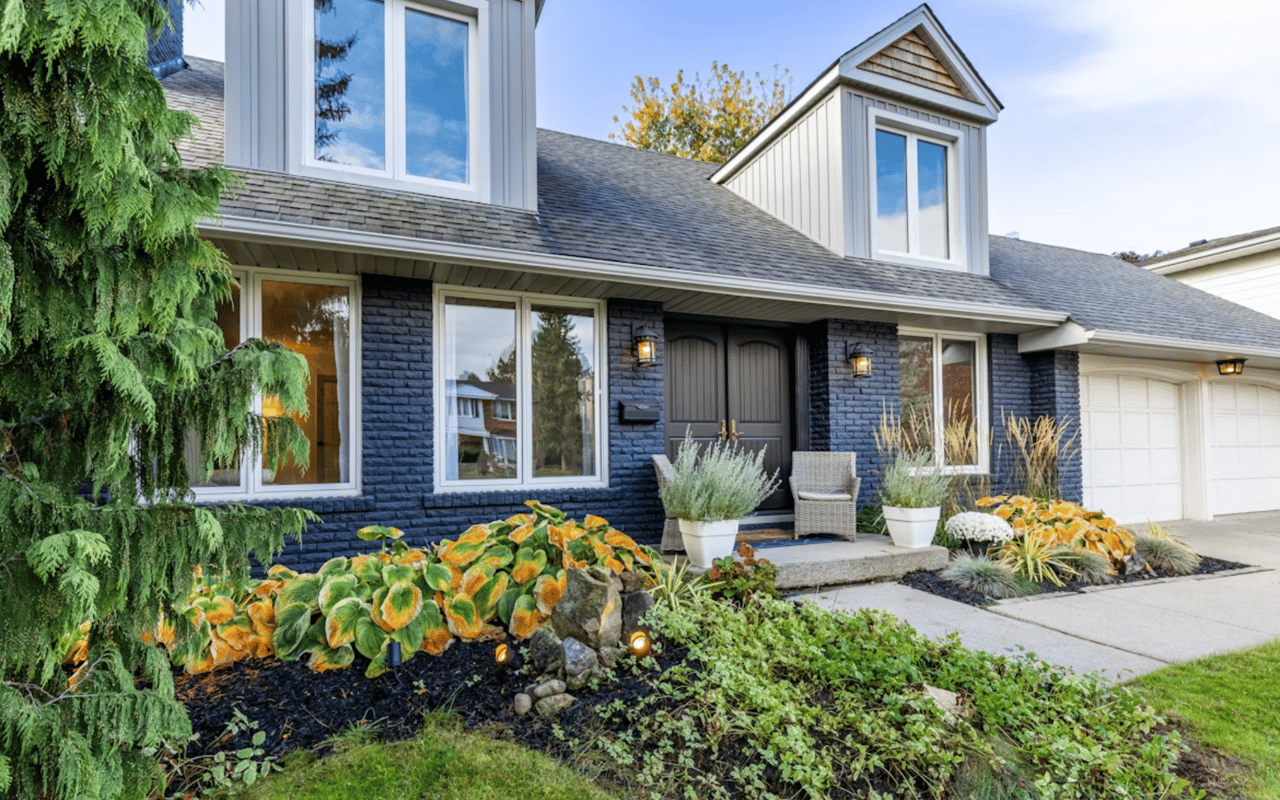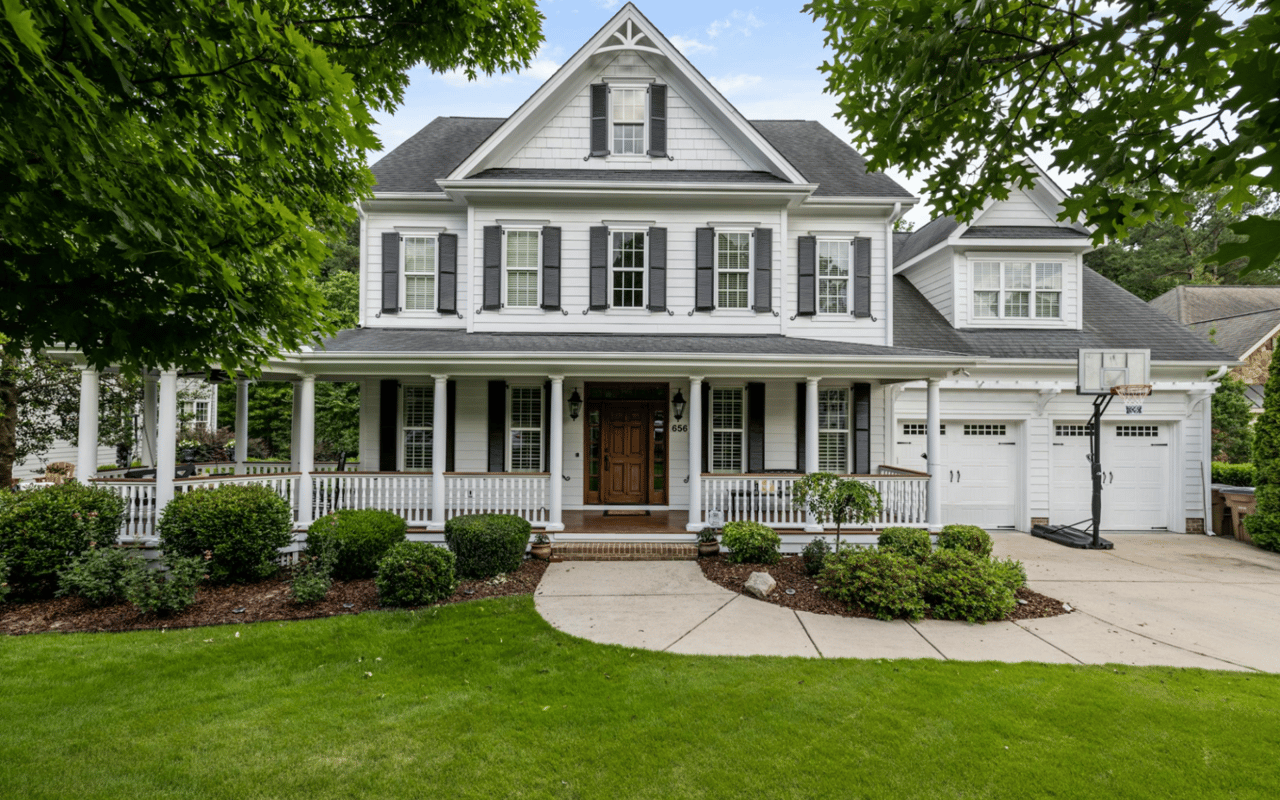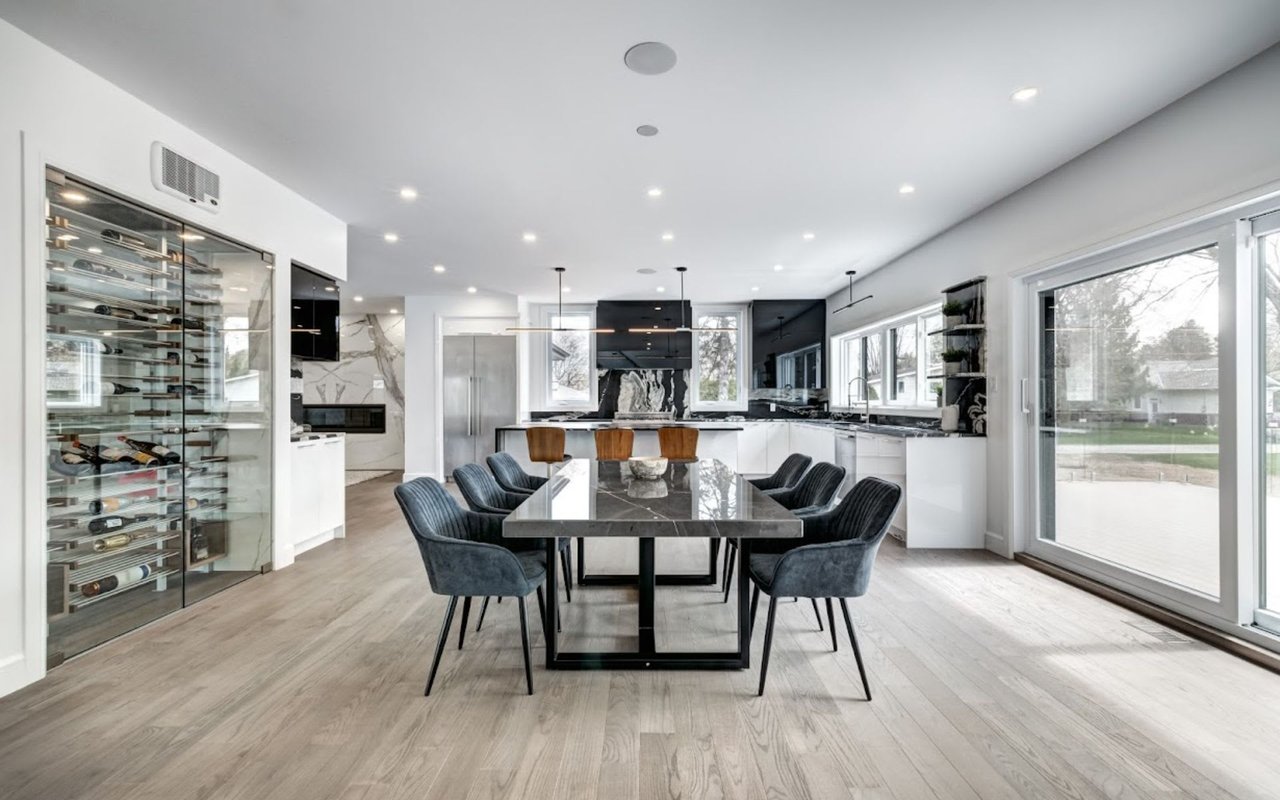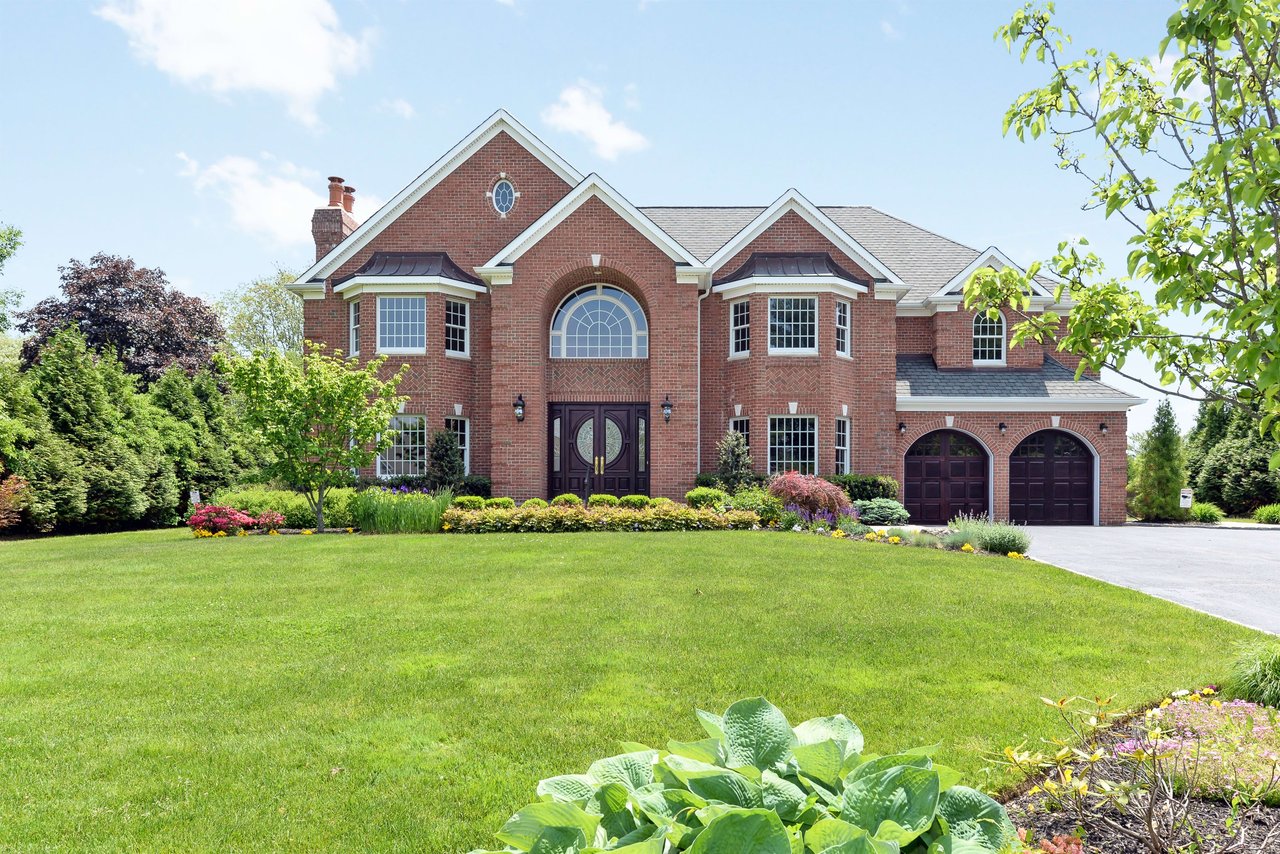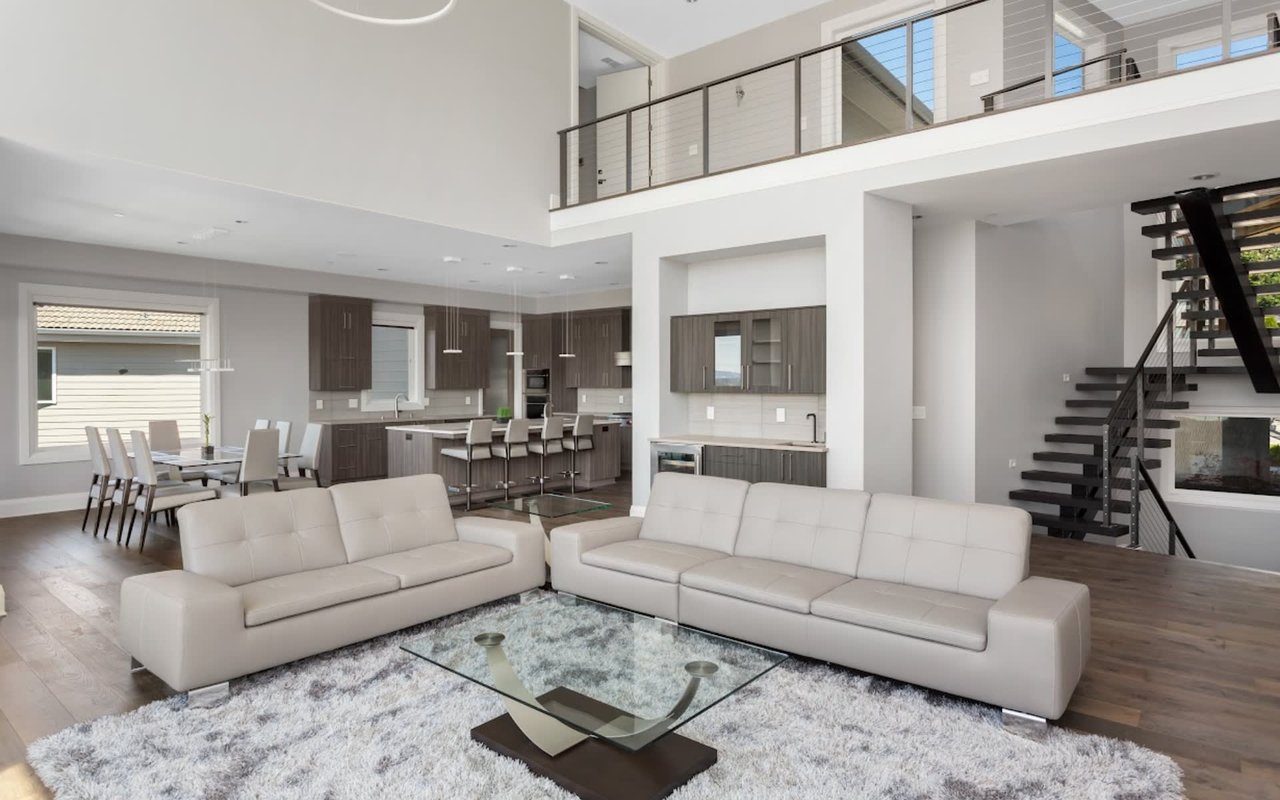
Search for homes in Huntington Bay this week and public sites may show only two or three listings, with the same handful of photos. Ask around the yacht club or the beach association, though, and you may hear about other recent sales: a colonial that changed hands in June, a waterfront rebuild that sold before appearing on a portal, or a young family who found a home through an agent rather than a search alert.
That gap can reflect marketing choices, not just supply. New York's Legislature has passed a bill that would require a disclosure from sellers who choose private marketing if it becomes law.
The Habit Behind Huntington Bay's Thin Listings
Huntington Bay is a village of roughly 1,300 people, wrapped around the Long Island Sound, with a housing stock small enough that every closing is known within days by the people who live there. In a market this tight, a handful of off-market deals does not just round to zero. It changes the entire picture a buyer sees when they check the portals before calling an agent.
Private marketing exists for reasons that make sense to a seller with means. A quiet listing skips the public "days on market" clock that spooks buyers into thinking something is wrong. It lets a family test a price without broadcasting their move to every neighbor and competitor. It limits showings to buyers an agent has already screened, rather than opening the front door to anyone with a portal login.
CityRealty's coverage of the practice puts it plainly: a private listing is shared informally or through a brokerage's internal network, and in either case, the property may never appear on the MLS or a major public site. That restricted visibility is exactly the point for some sellers, and industry voices are split on whether it serves them well. Brown Harris Stevens CEO Bess Freedman told The Real Deal that broad exposure gets a seller the highest price and called wider marketing rules "a step in the right direction." Compass broker Leonard Steinberg took the opposite position in comments to the New York Post, arguing that sellers are consumers too and should have the right to decide how quietly or publicly their home gets marketed.
Both are right about their own clients. Neither view changes what a buyer sees when they search Huntington Bay from their kitchen table.
What New York Is About To Change
The Fair and Transparent Real Estate Listings Act, introduced as Assembly Bill A10679 by Assemblymember Michaelle Solages and companion Senate Bill S10274 by Senator Nathalia Fernandez, passed the Assembly on May 29, 2026 and the Senate on June 1, 2026.
The bill does not ban private listings. It flips the default. Under the version that cleared both chambers, an agent representing a seller or landlord must market the property in a timely manner on at least one platform broadly accessible to the public, free of charge, unless the seller signs a state-mandated disclosure form choosing to opt out. That form spells out the tradeoffs in plain language, including language warning the seller that buyer's agents outside their own network may never learn the home is for sale at all. The new section of law, RPL 443-b, carries real teeth: violations can bring fines up to $5,000 per listing and expose an agent to suspension or revocation of their license through the Department of State.
"Broad exposure gets you the highest price, and it's the right thing to do for the consumer." — Bess Freedman, as quoted by The Real Deal.
That distinction helps explain why the bill matters: if it becomes law, a Huntington Bay seller who chooses a different route will have to acknowledge the tradeoffs in writing.
How Four States Are Handling The Same Problem
New York is not moving alone. Four states have now taken up some version of this fight within roughly a year of each other, and the approaches differ enough to matter for anyone watching how far this trend could reach.
| State | Status | Core Approach | Penalty |
|---|---|---|---|
| Washington | Signed into law, March 2026, according to The Real Deal | Off-market marketing barred except for seller health or safety concerns | Up to $500 per violation, with license risk for repeat offenders |
| Wisconsin | Signed into law, December 2025, according to The Real Deal | Opt-out disclosure required to market privately | Not specified in current reporting |
| Connecticut | Signed into law, late May 2026 | Opt-out disclosure required to market privately | Not specified in current reporting |
| New York | Passed both chambers | Opt-out disclosure required under new RPL 443-b | Up to $5,000 per listing, plus license suspension or revocation |
Washington's law is the strictest of the four, closing off private marketing to nearly everyone. New York's version, like Wisconsin's and Connecticut's, keeps the option open but attaches a real cost to using it: a signed paper trail and a disclosure form the seller's own agent is legally barred from softening.
Why A Village Of 1,300 Feels This More Than Manhattan Does
Long Island's broader inventory numbers already tell a story of scarcity. OneKey MLS recorded just 4,192 active listings across all of Long Island in February 2026, a record low and nearly 20 percent fewer than the same point in 2025. Suffolk County's median single-family sale price reached $718,500 in May 2026, up 4.1 percent year over year, with homes selling in an average of 28 days and the typical sale closing above asking price. Across the full second quarter, 55.9 percent of Long Island sales closed above the last list price.
Those numbers describe the wider Long Island market, not how many Huntington Bay homes are privately marketed. A market with genuinely few homes for sale to begin with feels the absence of even two or three quiet deals far more sharply than a larger town does. A buyer scanning the portals for Huntington Bay is seeing public listings, which may not include every home available.
Once the disclosure requirement takes effect, that will change. Sellers who want to stay private will still be able to, but only after acknowledging in writing that doing so may mean fewer offers and a lower final number. Some will still choose it. Many, facing that tradeoff on paper for the first time, will not.
Pre-Marketing Is Not The Same As Going Dark
It is worth separating two things that get lumped together in this conversation. A true pocket listing never reaches a public platform at all. Pre-market outreach, by contrast, is the practice of quietly alerting agents who have recently sold comparable homes, giving serious buyers a preview before the broader public launch, and building demand ahead of an open house weekend, all while the home is still headed for full public marketing within a normal timeframe.
That approach is the model that has always driven results in a village this small, where the buyer pool often already knows every agent working the area. Timed right, a pre-market push and a public listing are not competing strategies. They are the same campaign, sequenced for maximum attention when the sign finally goes up.
What This Means If You're Buying Or Selling Here Now
- If you are house-hunting in Huntington Bay, ask your agent directly whether they have relationships that surface homes before they hit the portals, and whether those relationships still lead to a public listing or stay private indefinitely. That distinction can help you interpret the public listing count.
- If you are weighing a private sale as a seller, price in the coming disclosure conversation now. Once the law is signed, your agent will be legally required to walk you through a state-written form spelling out what you are giving up, and that conversation is easier to have on your own terms before it is mandatory.
- If you are comparing Huntington Bay against a neighboring North Shore village, remember that a thin public listing count does not necessarily mean a thin market. It may mean a market where quiet marketing has simply been the norm.
Quick Answers
Does this law ban private home sales in New York? No. Sellers can still choose non-public marketing. They will need to sign a standardized state disclosure acknowledging the risks first.
Has Governor Hochul signed the bill? Her office has said she intends to review it, and industry observers widely expect approval given the bipartisan support behind it.
Will this make more Huntington Bay homes show up on public sites? For listings that would have gone the private route by default, yes. Sellers who still want privacy can have it, but only after signing a disclosure that spells out the tradeoff in writing, which changes the calculation for a lot of sellers who were simply following habit rather than making an active choice.
Huntington Bay's market has always been quieter than its price point suggests. The bill would require a disclosure for sellers who choose private marketing, if it becomes law. If you are trying to read this village's real supply and demand before you make a move, or you want a pricing and marketing strategy built around what the bill could mean rather than current requirements alone, the team at Deepak Hemrajani can walk you through it. Unlock Your Free Home Valuation and see where you actually stand.
This article is general information, not legal, tax or financial advice. Consult a qualified professional about your situation.