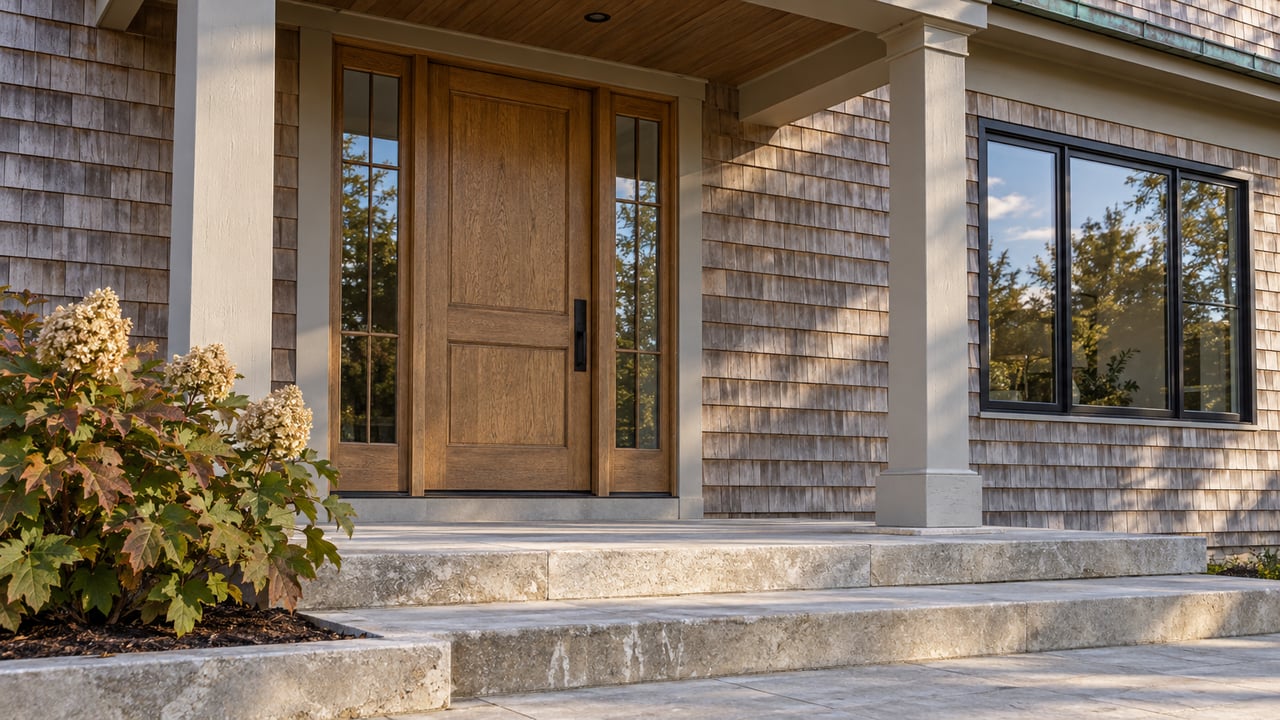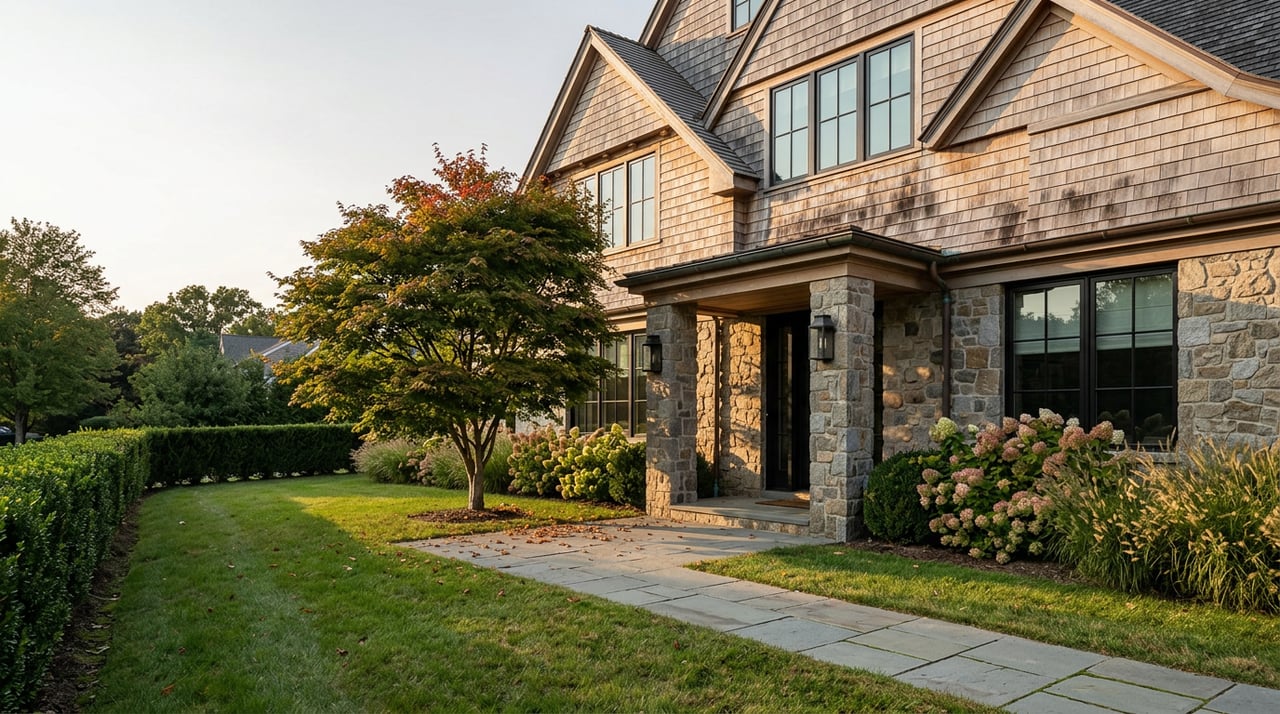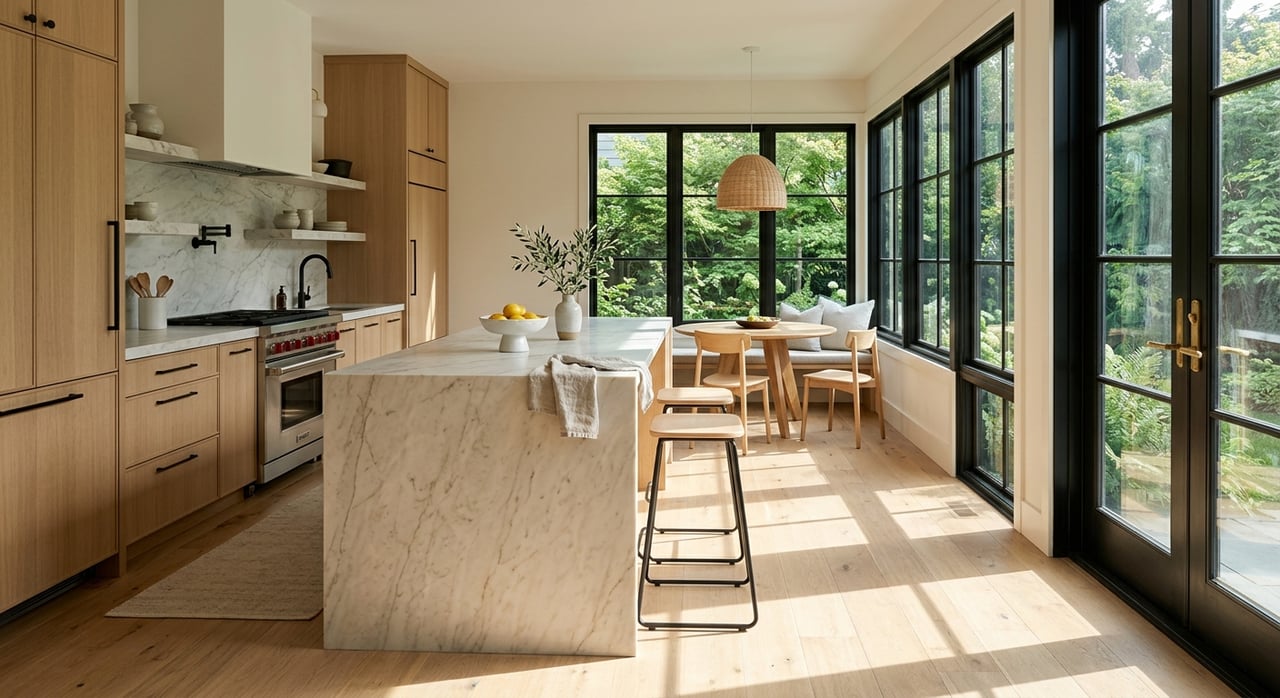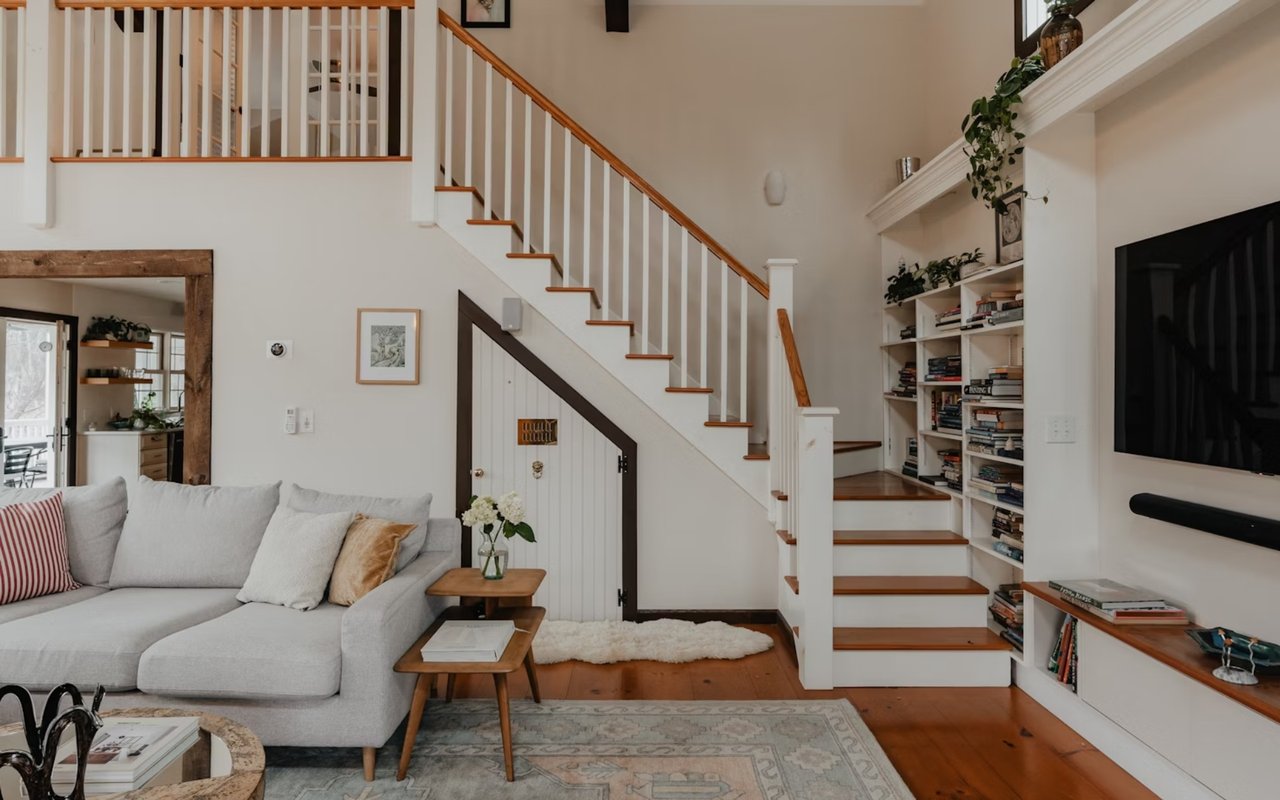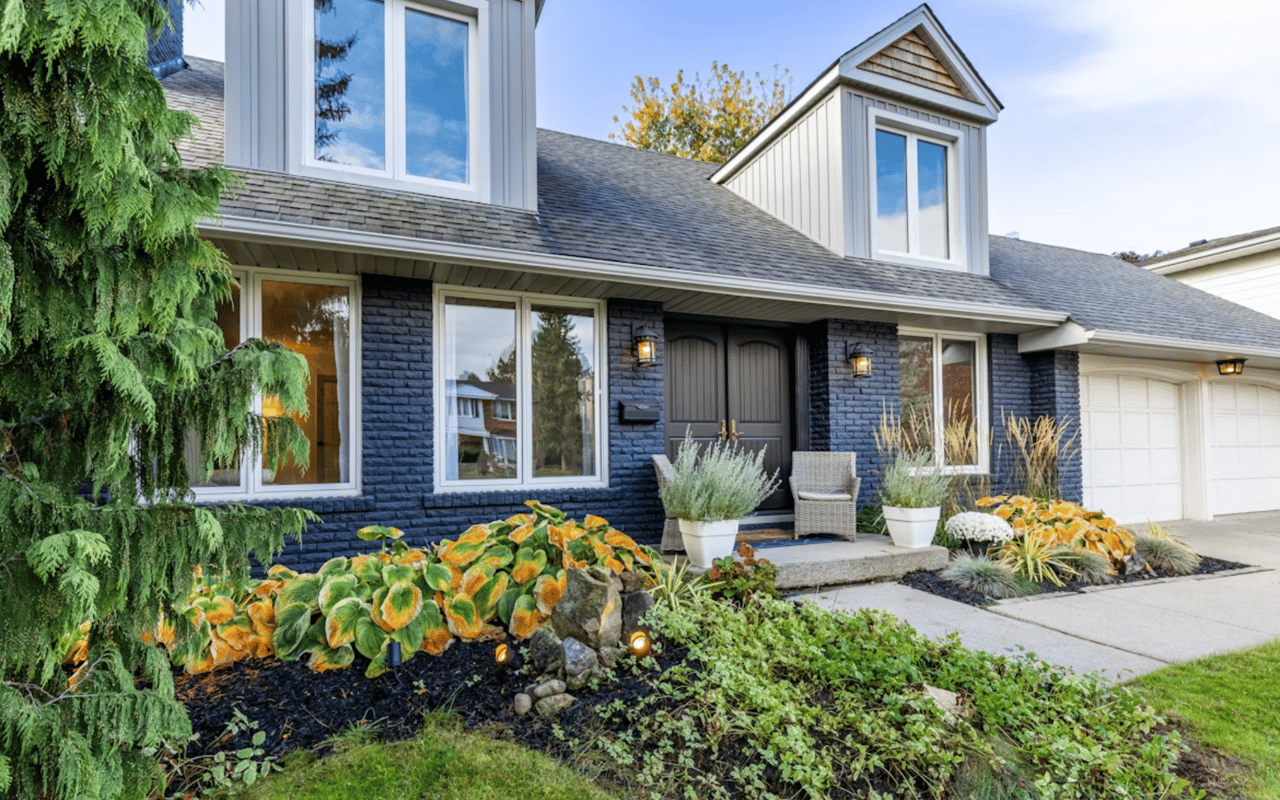
Thinking about buying a character home in Huntington? It is easy to fall for original millwork, charming facades, and historic details, but older homes often come with rules, repair needs, and long-term costs that are not obvious at first glance. If you want the charm without expensive surprises, you need to know how Huntington’s historic framework, inspection process, permits, and site conditions can affect your move. Let’s dive in.
Why Huntington character homes stand out
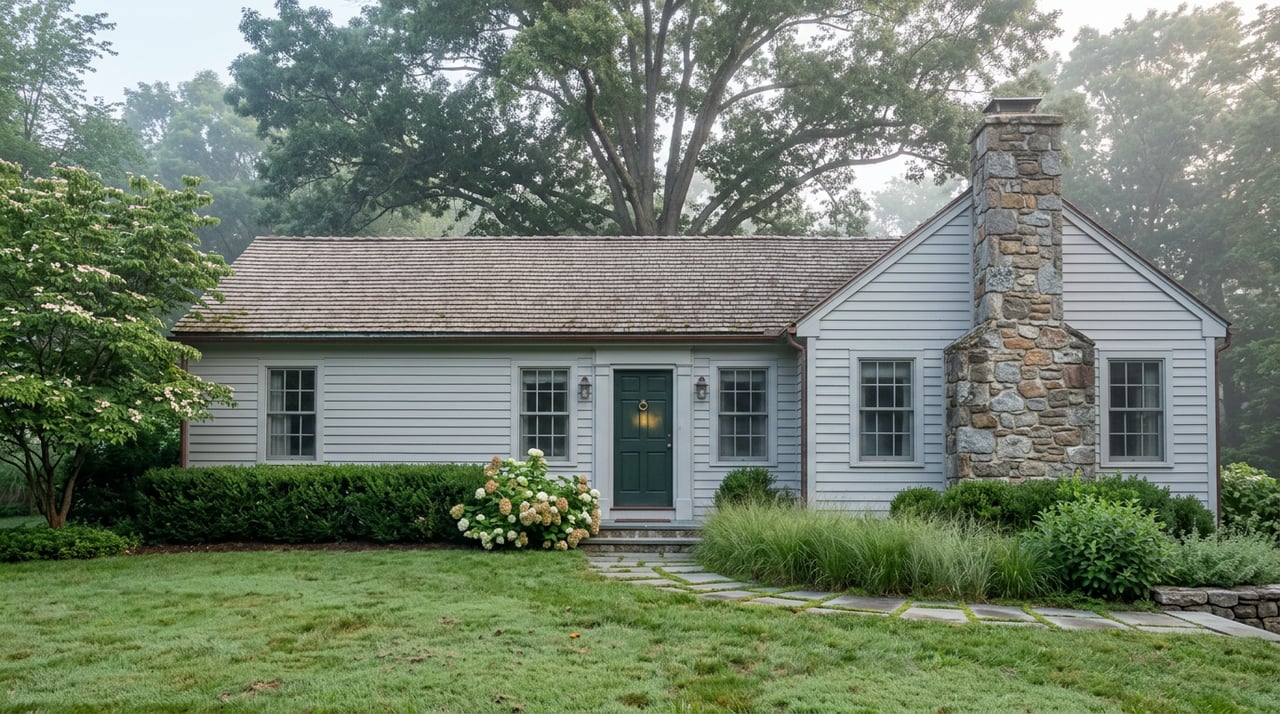
Huntington is one of ten towns in Suffolk County on Long Island’s North Shore, and its roots go back to 1653. That long history shows up in the housing stock, especially in areas with preserved older homes and designated historic districts.
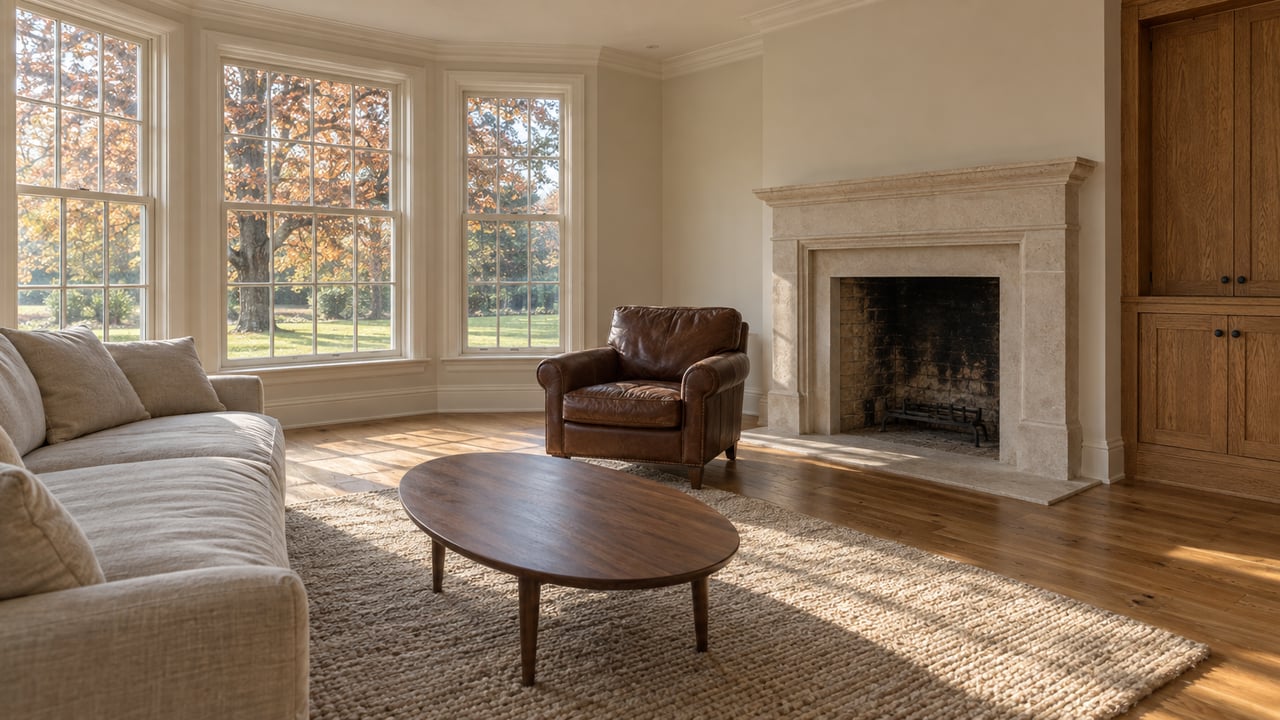
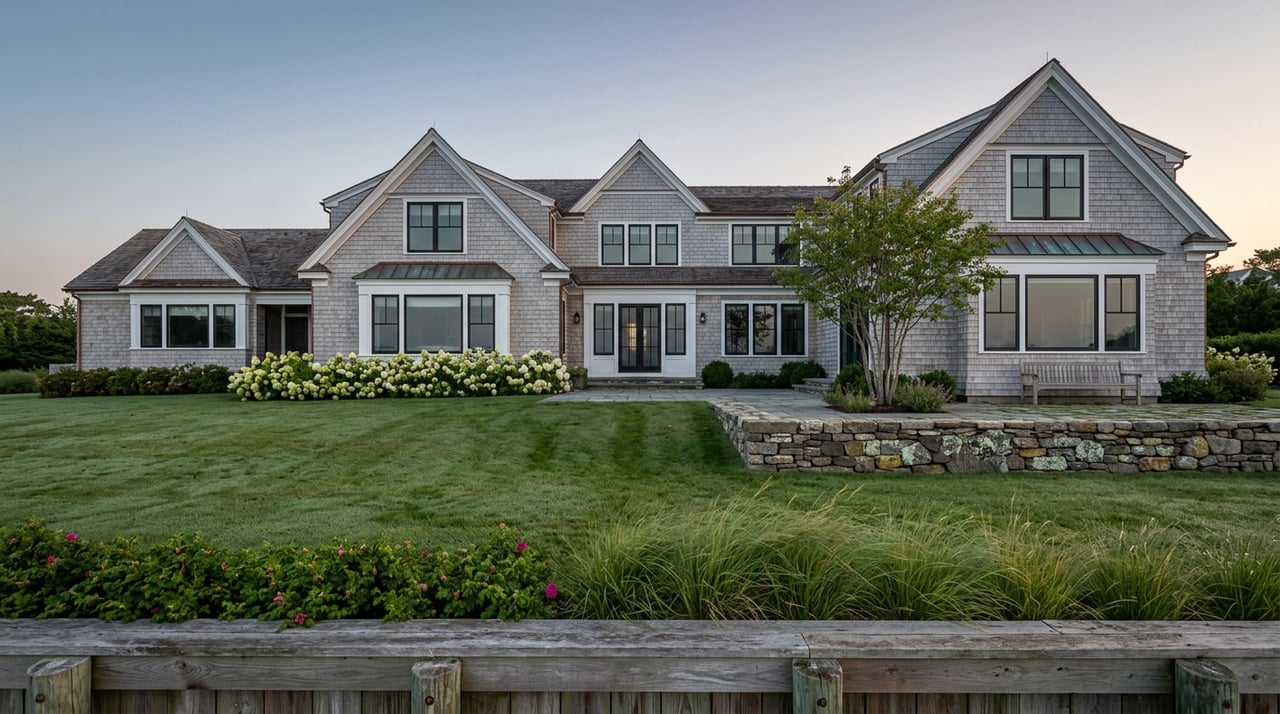
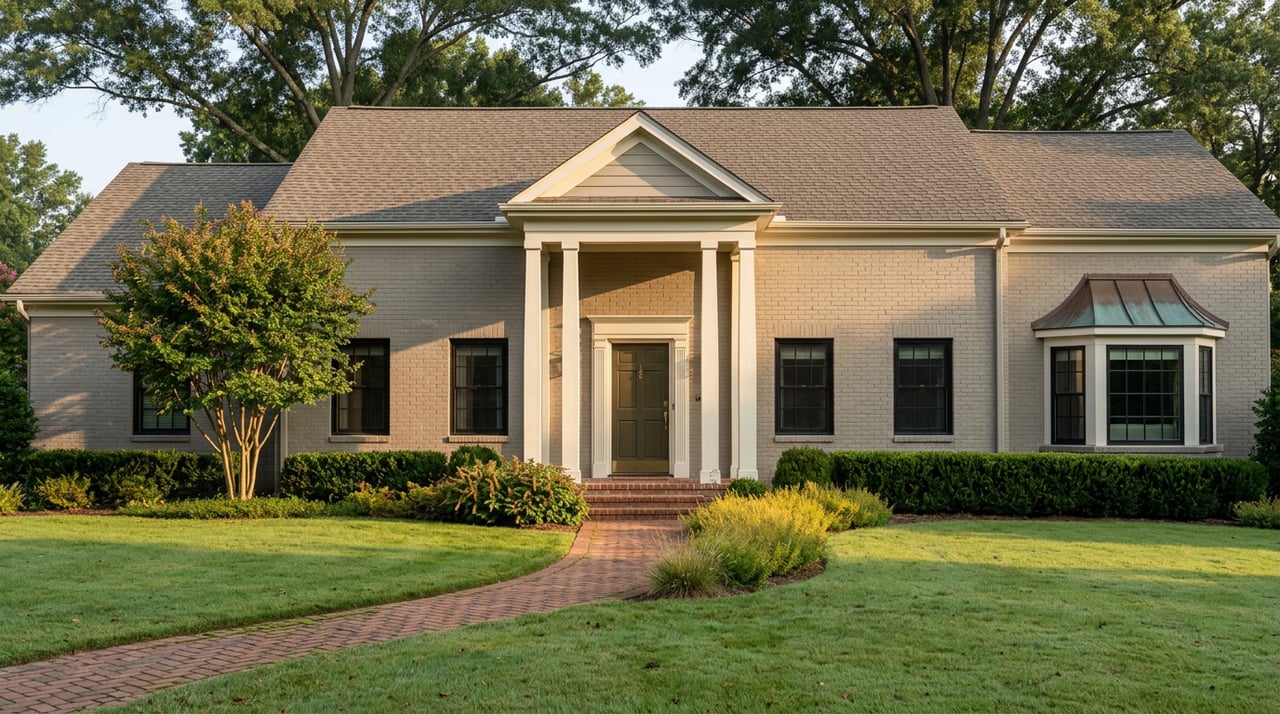
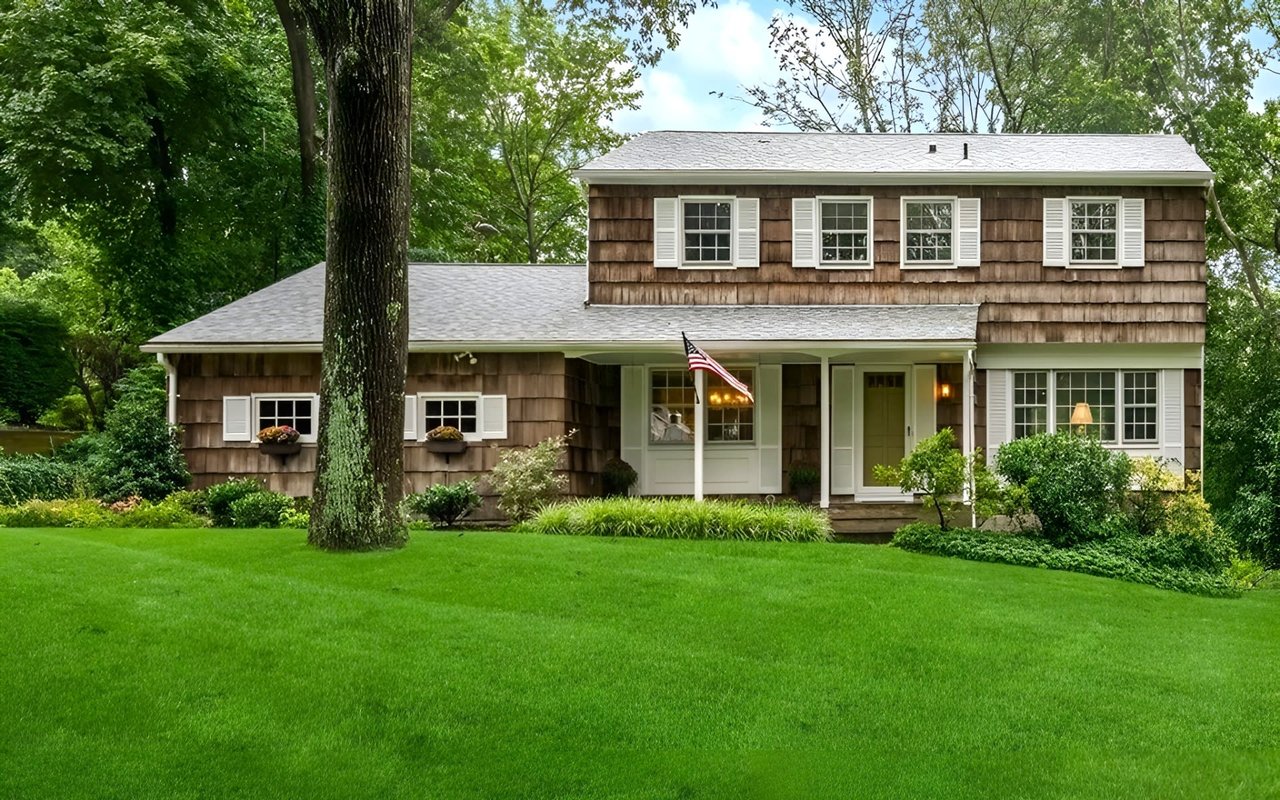
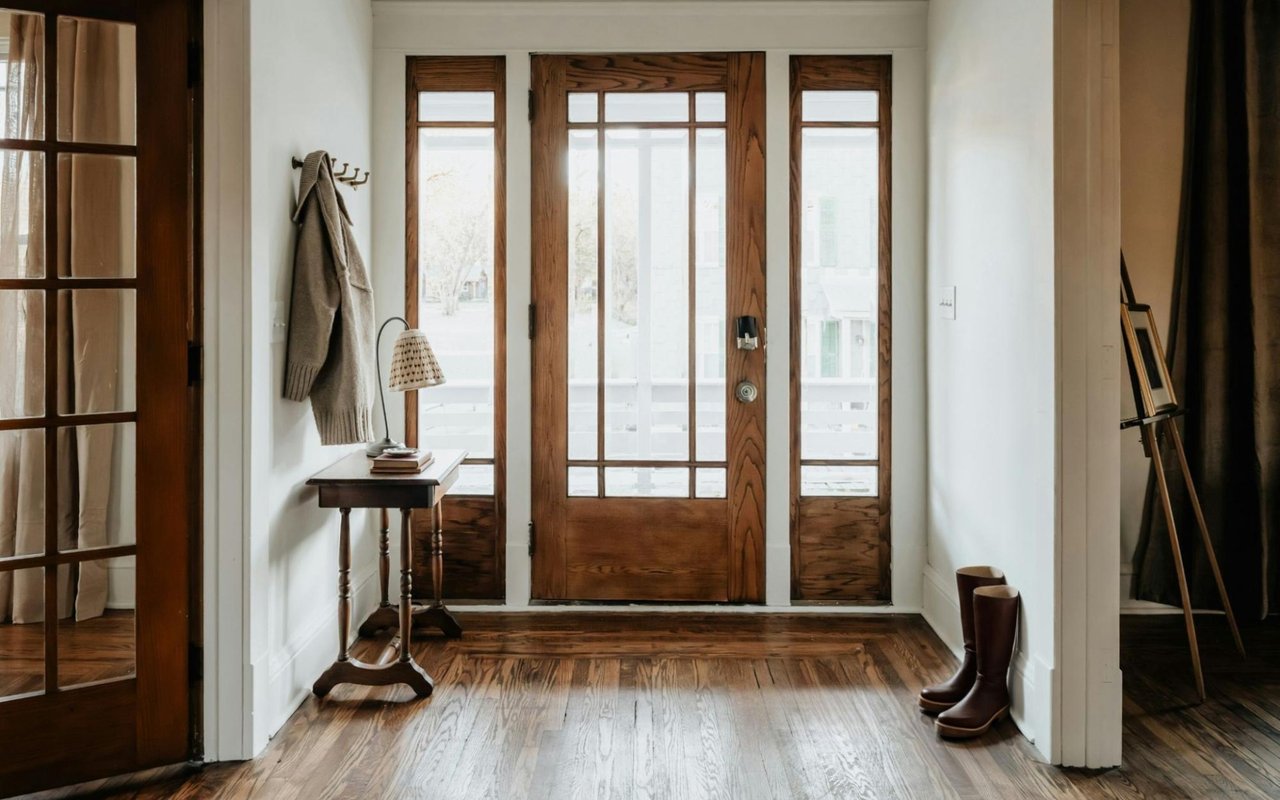
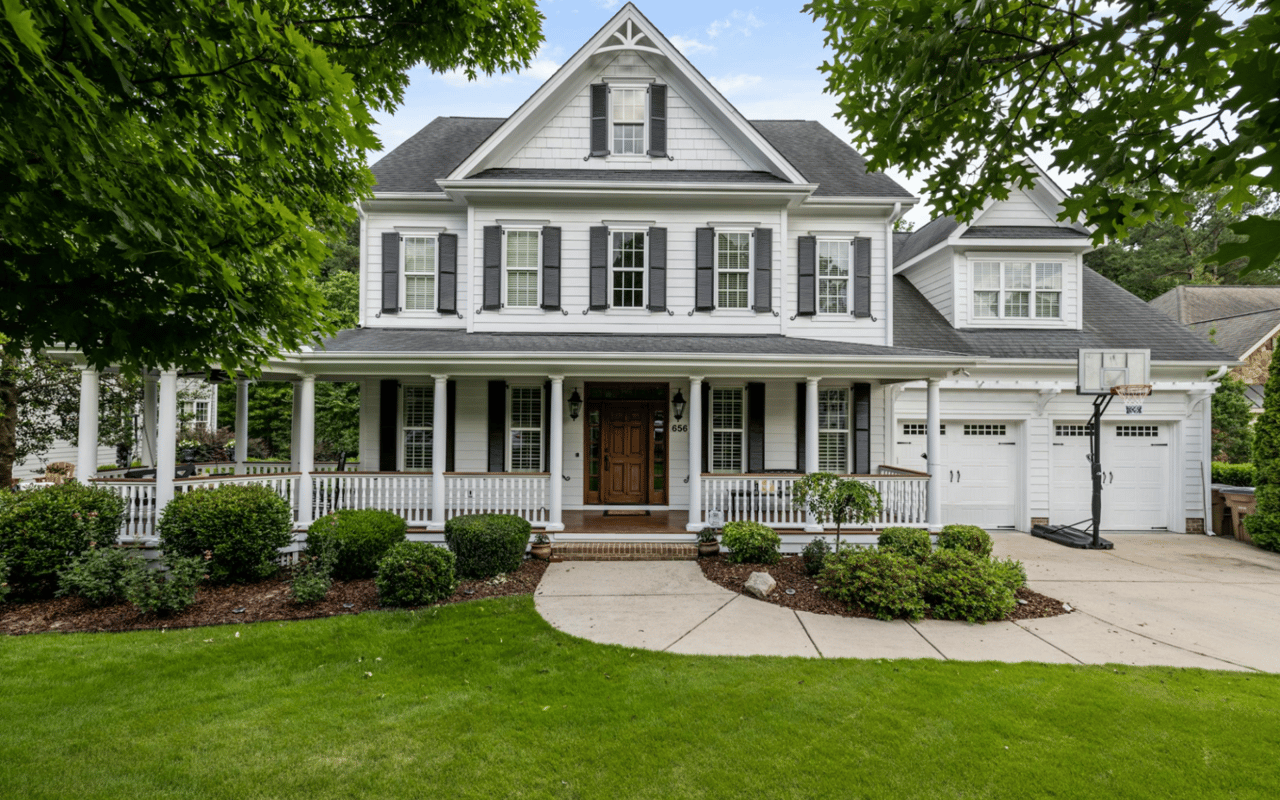
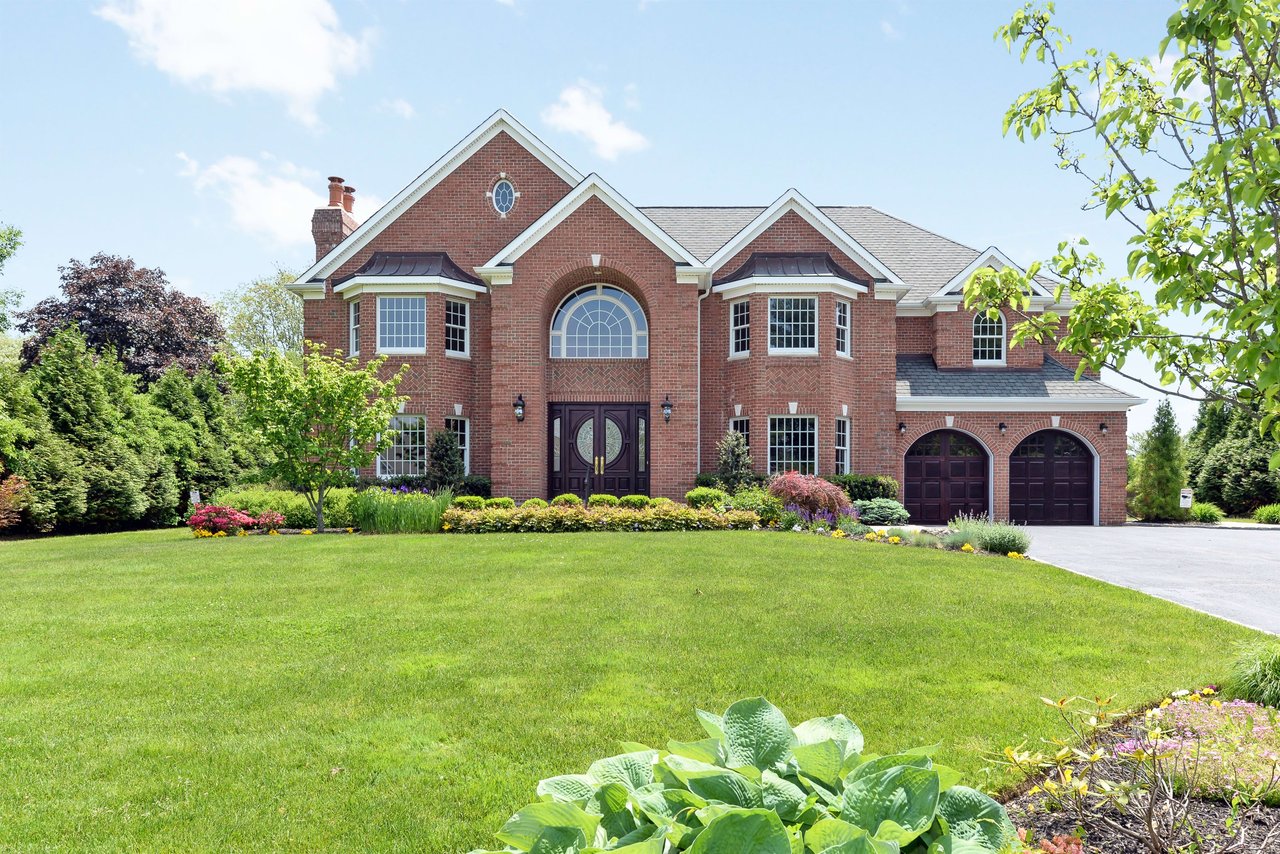
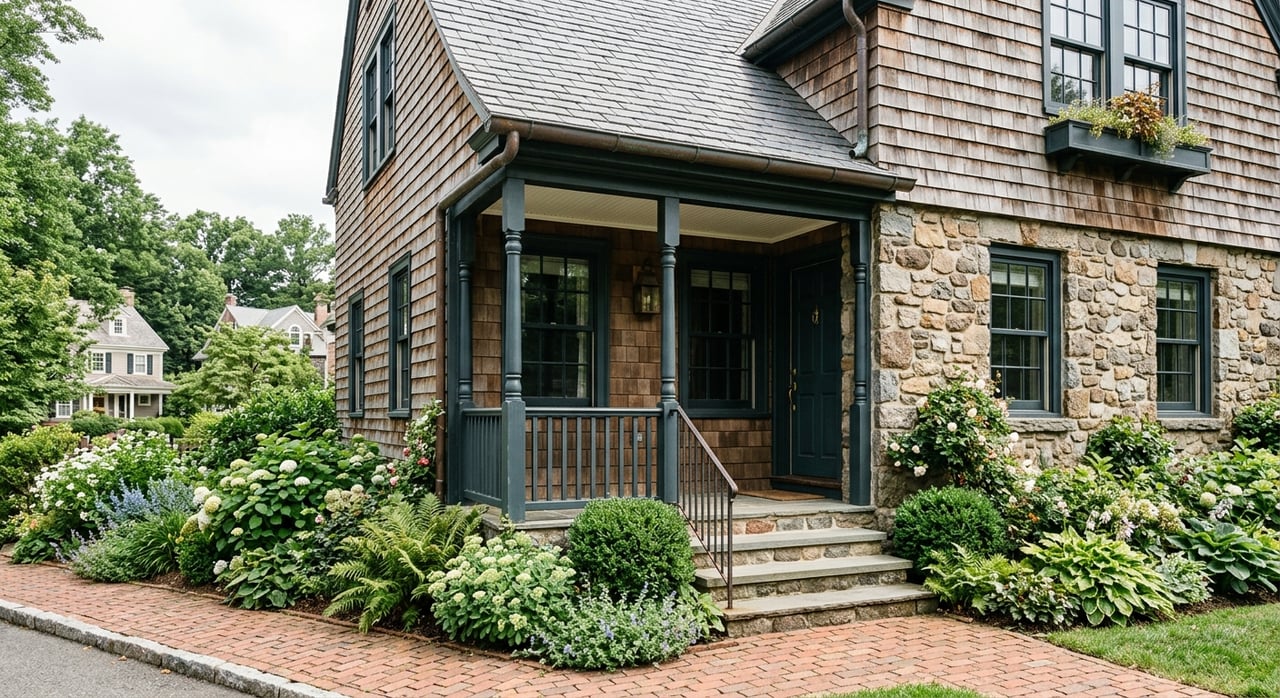
Many of the homes buyers think of as “character homes” in Huntington reflect architectural styles like Queen Anne, Colonial Revival, Tudor Revival, Spanish Colonial Revival, Arts and Crafts, Shingle Style, Italianate, Greek Revival, and Federal. The town’s historic inventory includes districts such as Old Huntington Green, Old Town Hall, East Shore Road, West Neck Road, Sweet Hollow, Old Huntington Village–Carver Street, and Whitman.
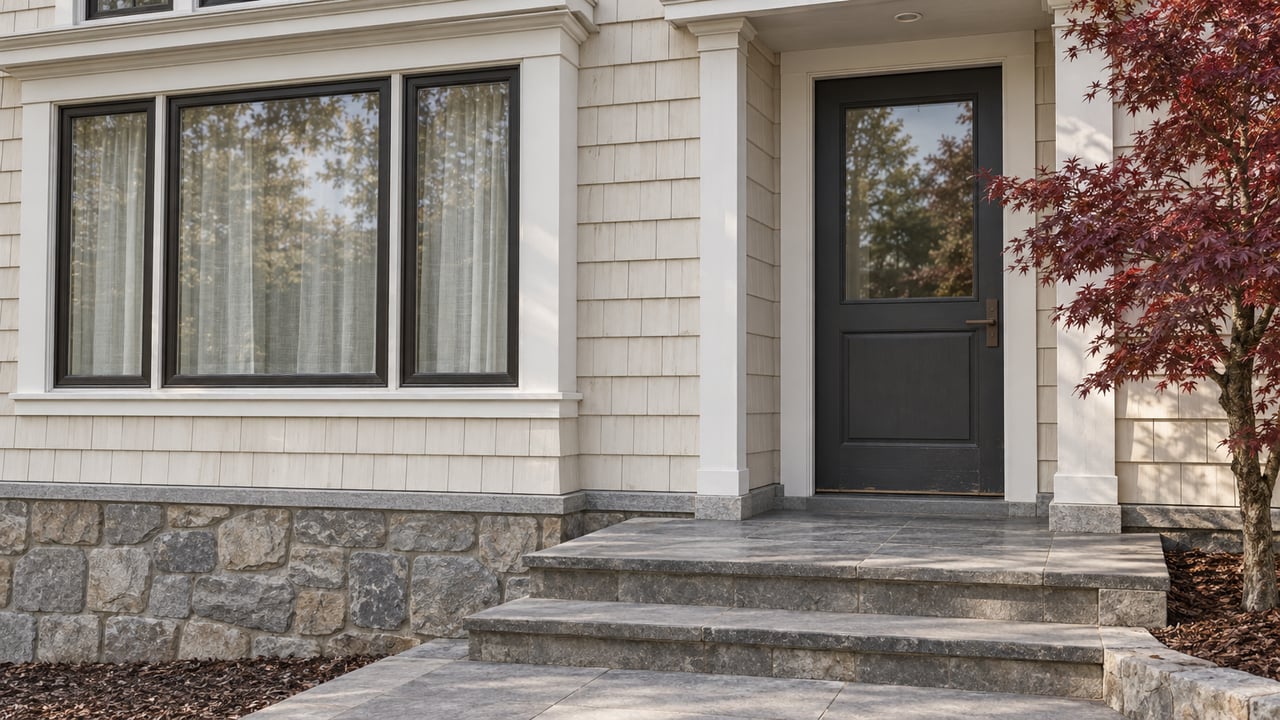
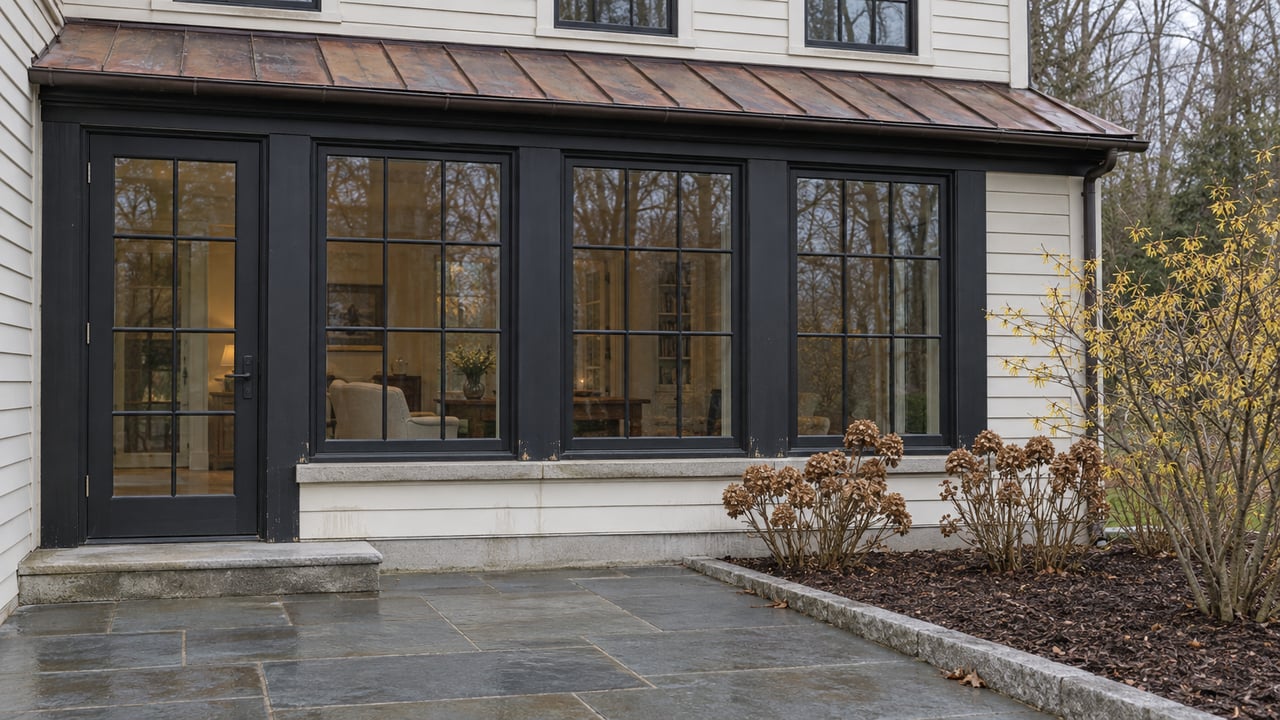
What matters for you as a buyer is this: a character home in Huntington may be more than just visually distinctive. In some cases, the home’s exterior materials, proportions, and street-facing appearance may carry preservation expectations that can shape what you can change later.
Historic status can affect your plans
If a property is individually designated as a landmark or located within a historic district in unincorporated Huntington, exterior structural changes may require more than a standard permit. Huntington requires a certificate of approval before a building permit can be issued for those properties.
That extra review matters because the Preservation Commission may suggest design changes to protect the home’s historic integrity. The review process can also add three or more months to the permit timeline, which can affect your renovation schedule and budget.
The town’s preservation guidance focuses on keeping as much historic material as possible and using new materials that fit the building’s character. Additions are generally expected to be compatible in size, scale, material, and overall look, with side or rear additions preferred when possible.
Front additions are generally discouraged because they can overwhelm the original home. If you are buying with renovation plans in mind, that is an important reality check early in your search.
Interior updates are treated differently
One helpful distinction is that Huntington’s Preservation Commission reviews exterior structural changes, not interior alterations or paint color. That means an interior-only remodel may be more straightforward than a visible exterior redesign.
If your wish list includes changing the facade, roofline, front entry, or anything clearly visible from the street, you should treat that as an early due diligence item. Those are the projects most likely to require closer review.
Village properties may follow different rules
Not every Huntington-area property is handled by the town in the same way. If the home is in one of the incorporated villages, such as Asharoken, Huntington Bay, Lloyd Harbor, or Northport, permits are handled by village officials instead of the town.
That means the first step is always confirming exactly where the property sits and which local authority has jurisdiction. For a buyer, that can save time and avoid confusion before you start pricing renovations.
Inspection priorities for older homes
A standard home inspection is still a key first step. It should cover major systems and components such as electrical, gas, plumbing, roofing, insulation and ventilation, heating and cooling, fireplaces and venting, foundation and crawlspaces, wall structure, exterior grading, stairs, garages, basements, windows, and major appliances.
If possible, attend the inspection yourself. Seeing issues in person often gives you a clearer sense of what is cosmetic, what is urgent, and what could become a negotiation point.
Inspection findings may support repair requests, credits, renegotiation, or cancellation if your contract allows it. For character homes, that leverage can be especially important because repair costs may be less predictable than they are in a newer property.
Older homes often need specialty inspections
A general inspection does not cover everything. In an older Huntington home, you may also need specialists for pests, radon, asbestos, mold, or lead, depending on the age and condition of the property.
This is where buyers often protect themselves by budgeting for deeper due diligence upfront. Spending more before contract deadlines can help you avoid much larger costs after closing.
Lead paint matters in pre-1978 homes
If the home was built before 1978, lead-based paint is more likely to be present. Buyers of most pre-1978 housing have a right to receive lead disclosures before signing a contract, and sellers must allow a 10-day period for a paint inspection or risk assessment.
If you plan to renovate after closing, especially in ways that disturb painted surfaces, using lead-safe certified contractors becomes an important part of planning the work safely.
Asbestos may not be visible
Asbestos is another concern in older homes because you cannot confirm it just by looking at a material. If a material is damaged or will be disturbed during renovation, it should be sampled by a properly trained and accredited asbestos professional.
That is especially relevant if you are buying a home with plans to open walls, update insulation, replace flooring, or remove old pipe or duct materials.
Renovation permits can shape your budget
In Huntington, a building permit is required for construction, alteration, moving, repair, modification, demolition, or change of use of a building or structure. Many projects that buyers commonly plan for older homes can trigger permits.
Examples include additions, alterations, decks, fences, pools, sheds, solar panels, finished basements, retaining walls, and chimneys. In other words, even projects that seem routine may need local approval.
For a buyer, this is more than a paperwork issue. Permit requirements can affect cost, timing, contractor sequencing, and even whether a lender is comfortable moving forward if significant repair work is involved.
Lender issues can surface on repair-heavy homes
Depending on the loan program, major repair items found during inspections can complicate closing. In some cases, lenders may require repairs to be completed before closing or may require an escrow arrangement for the work.
That is one reason thorough inspections and early budgeting matter so much when you are buying an older property. The more clarity you have early, the stronger your position when you negotiate and plan your financing.
Check sewer, septic, or cesspool status
In Suffolk County, nearly 70% of homes use cesspools and septic systems. That makes wastewater setup a major due diligence item for Huntington buyers.
You should confirm whether the property is connected to sewer service or relies on a private system. The Town of Huntington operates the Huntington Sewer District and also maintains the Centerport Sewer District in some areas, while county septic programs apply only to properties on septic or cesspool that are not connected to sewers or proposed sewer areas.
If the home is not sewer-connected, ask questions early about the age, type, and condition of the system. This can have a real impact on future replacement costs and project planning.
Grant programs may help some owners
Suffolk County’s Septic Improvement Program offers installation grants up to $20,000 per property. New York State’s Septic System Replacement Program can reimburse or fund up to 75% of eligible costs, capped at $25,000 per property.
These programs come with requirements, including county approval and use of an approved installer. Local building or wetlands permits may also be needed, and permit application fees remain the homeowner’s responsibility.
Flood risk can change monthly costs
Flood exposure is another issue worth checking carefully, especially in waterfront or low-lying parts of the North Shore. A home’s flood zone can affect both insurance needs and your ongoing ownership costs.
High-risk flood zones include A, AE, AH, AO, AR, and coastal V and VE zones. If you are using a federally backed mortgage on a property in one of those high-risk areas, flood insurance is mandatory.
Flood maps can also be updated as new information becomes available. That is why it is smart to verify flood risk during your due diligence period rather than relying on assumptions.
A smart buying strategy for Huntington character homes
The right character home can be a great purchase, but the process should be more disciplined than emotional. Charm should pull you in, but due diligence should drive your decision.
A practical buying approach often looks like this:
- Confirm whether the home is in unincorporated Huntington or an incorporated village
- Ask if the property is individually designated or located in a historic district
- Review renovation goals early, especially for exterior changes
- Attend the general home inspection if possible
- Add specialty inspections when the age or condition of the home calls for them
- Verify sewer versus septic or cesspool status
- Check flood zone status and possible insurance requirements
- Build extra time and budget for permits, preservation review, and lender conditions
If you take those steps early, you are in a much better position to evaluate true ownership costs and negotiate from a place of strength.
Buying a character home in Huntington can absolutely be worth it. You just want to buy the architecture, charm, and long-term potential with clear eyes and the right local guidance behind you.
If you are considering a character home on the North Shore and want a more strategic, white-glove buying approach, Deepak Hemrajani can help you evaluate the property, the process, and the risks before you make your move.
FAQs
What makes a character home in Huntington different from a newer home?
- A character home in Huntington may have historic architectural features and may also be subject to preservation expectations that affect exterior changes, materials, and permit timelines.
Do Huntington historic district homes require extra approvals for renovations?
- Yes. For individually designated landmarks and structures within historic districts in unincorporated Huntington, a certificate of approval is required before a building permit can be issued for covered exterior structural changes.
Should you get specialty inspections when buying an older Huntington home?
- Yes. In addition to a general home inspection, older homes may need separate specialists for issues such as lead, asbestos, mold, radon, or pests.
What should you know about lead paint in older Huntington homes?
- If the home was built before 1978, lead-based paint is more likely to be present, and buyers of most pre-1978 homes have a right to receive lead disclosures and a 10-day period for a paint inspection or risk assessment.
Do Huntington home renovations usually need permits?
- Often yes. Huntington requires permits for many projects, including additions, alterations, decks, fences, pools, sheds, finished basements, retaining walls, chimneys, and other common upgrades.
How do you check whether a Huntington home has sewer or septic service?
- You should confirm whether the property is connected to the Huntington Sewer District or Centerport Sewer District, or whether it relies on a private septic or cesspool system.
Does flood zone status matter when buying a Huntington character home?
- Yes. A home in a high-risk flood zone may require flood insurance for a federally backed mortgage, which can affect your monthly ownership costs and closing plans.