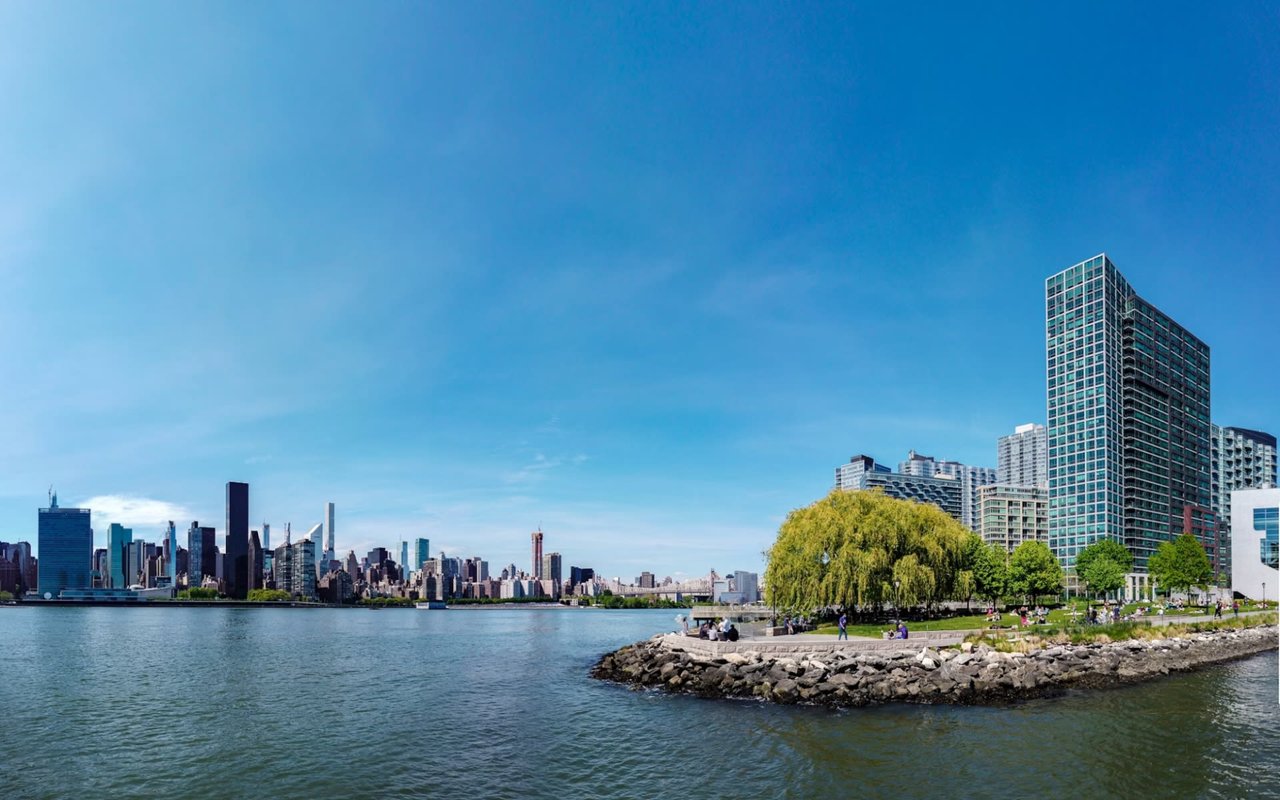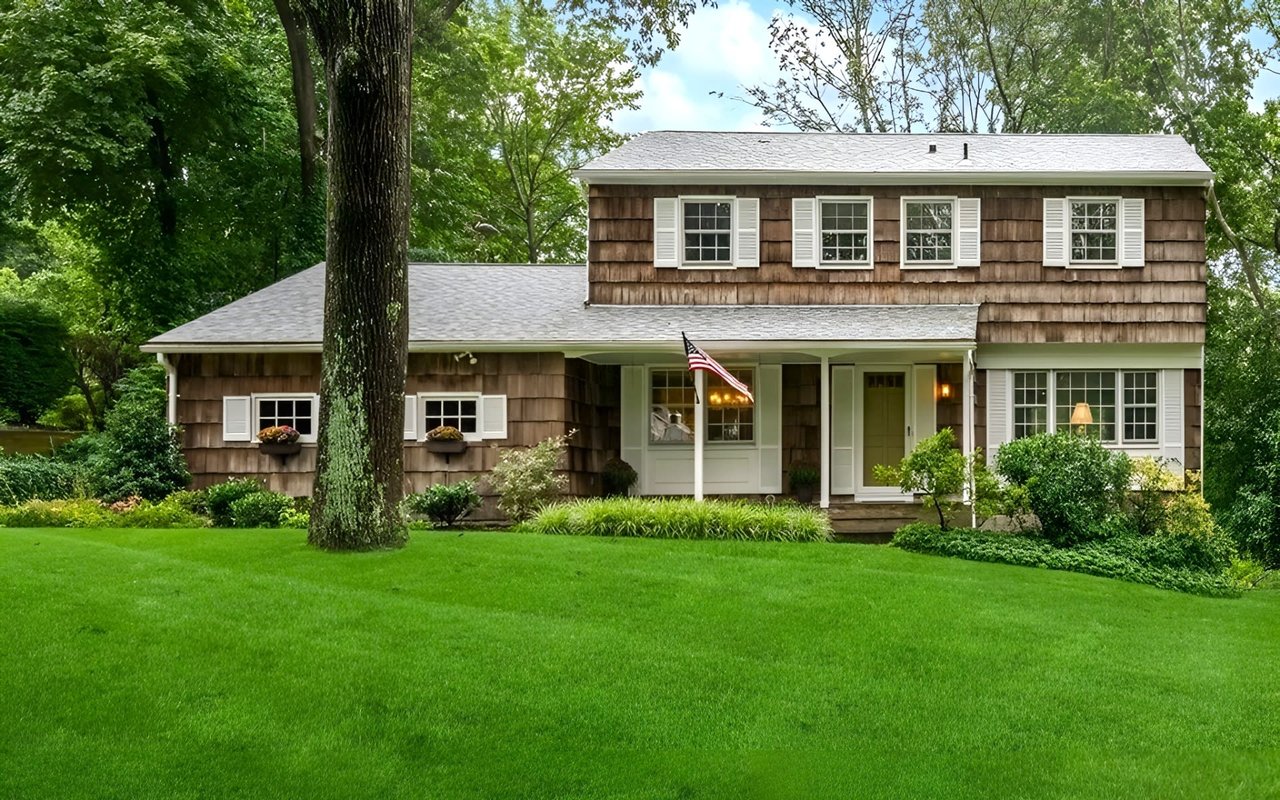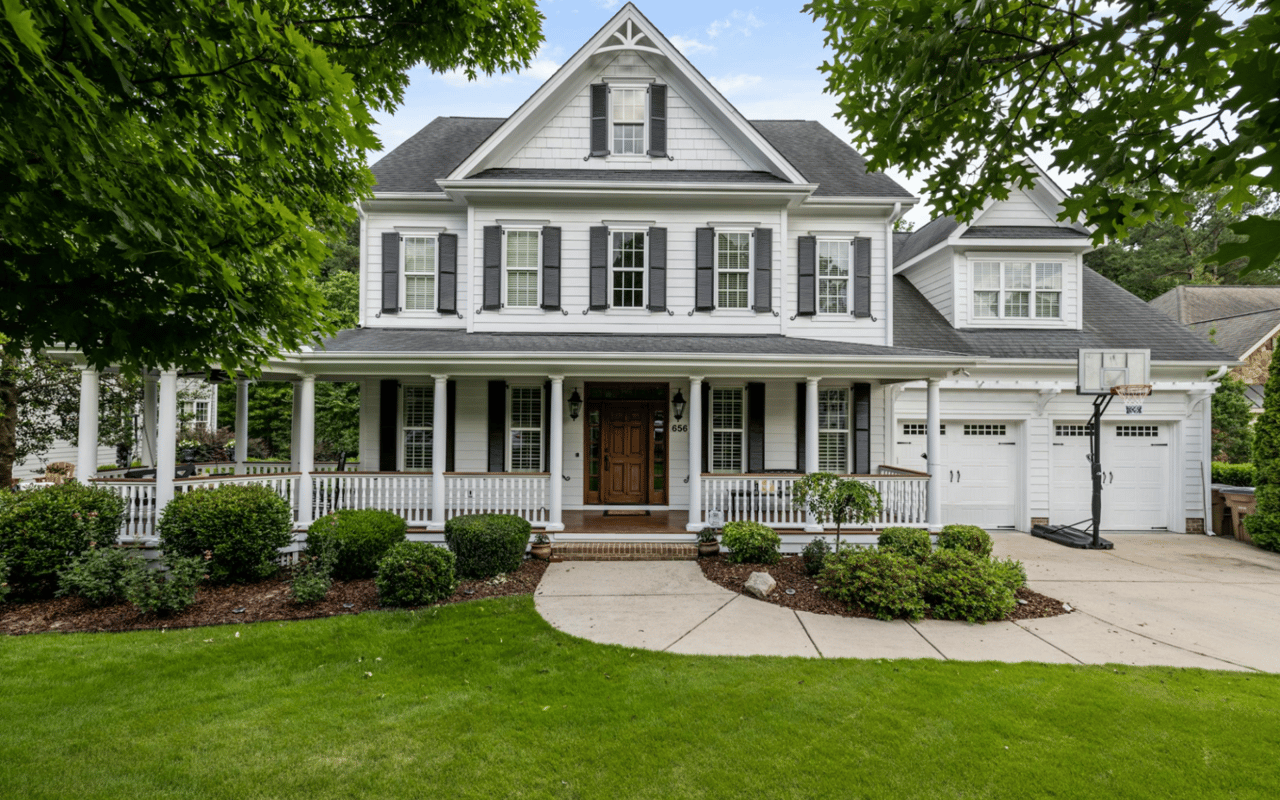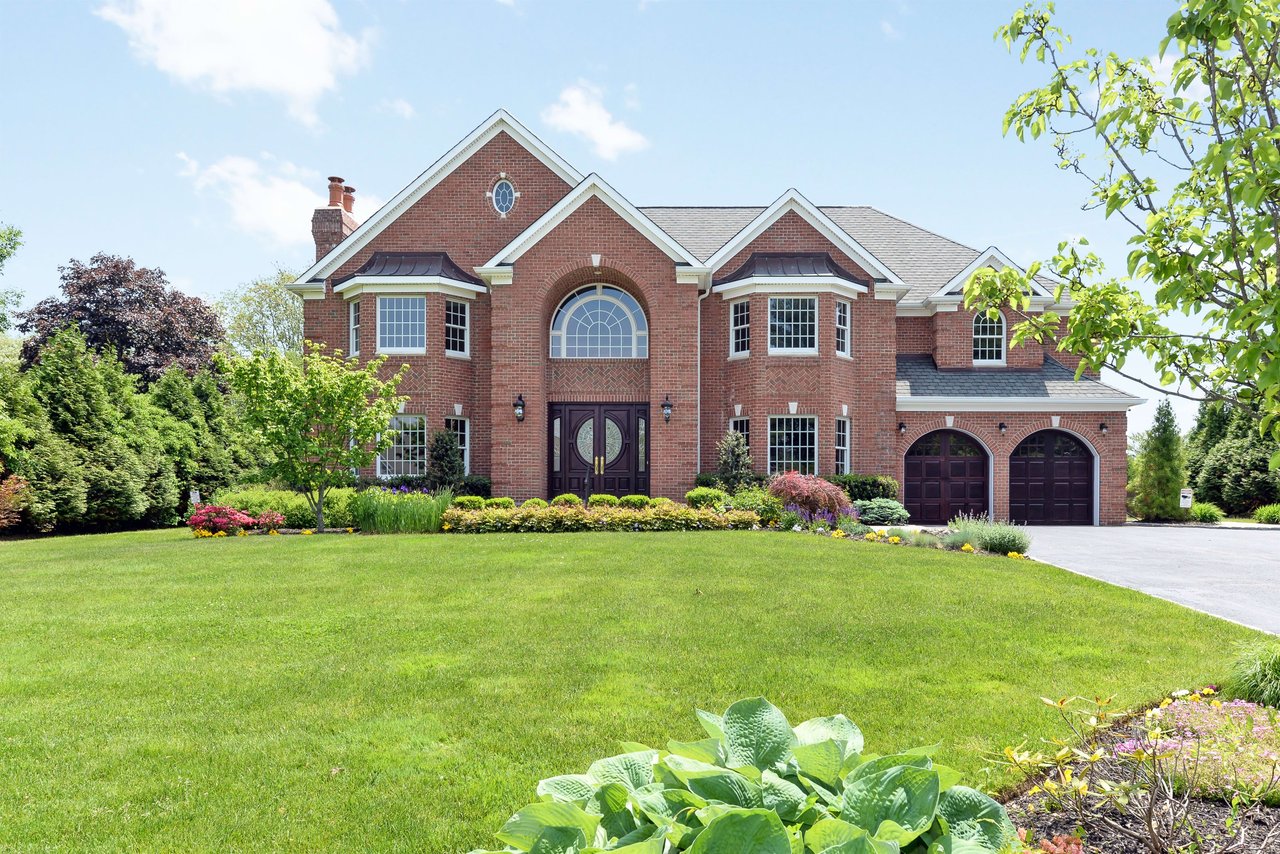
If you are selling a waterfront home in Huntington Bay, you are not just putting square footage on the market. You are selling views, shoreline features, privacy, and a lifestyle that buyers may only find in a small North Shore village setting. To get that right, you need more than a standard listing plan. You need a strategy that highlights what makes your property special, answers buyer questions early, and protects your leverage from day one. Let’s dive in.
Why Huntington Bay waterfront homes sell differently
Huntington Bay is a small waterfront village on Long Island’s North Shore within the Town of Huntington. The village sits along Huntington Bay, which connects to Long Island Sound, and the setting itself is a major part of the appeal. With roughly 600 homes in about 1.2 square miles, buyers are often evaluating a very specific lifestyle, not just a home.
That matters when you sell. In a place with one yacht club, one beach and tennis club, and five beach associations, buyers want clarity on access, views, and what comes with the property. A waterfront listing here needs to explain the full picture clearly and accurately.
Broader Suffolk County market activity also supports the case for strong preparation. As of April 30, 2026, Zillow reports an average Suffolk County home value of $701,111, up 2.9% year over year, with homes going pending in around 27 days. Huntington Bay is its own niche market, but the pace suggests that sellers benefit from being launch-ready before the listing goes live.
Lead with the waterfront story
With waterfront properties, buyers usually need to understand the site before they understand the rooms. They want to know what the view feels like, how the outdoor spaces connect, and whether the water access is direct, shared, or visual only. If that story is unclear, interest can stall fast.
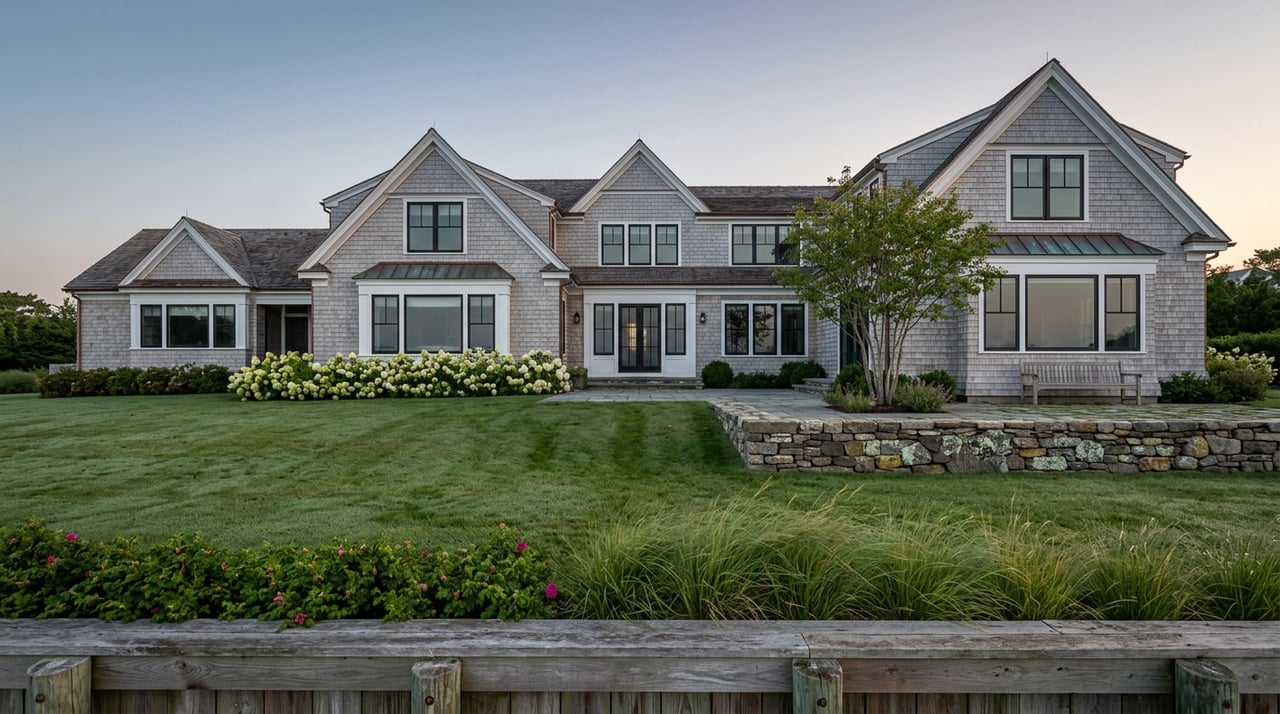
That is why your marketing package should start with the setting. Shoreline photography, aerial images, twilight exteriors, and a floor plan that shows the connection between indoor and outdoor spaces can help buyers understand the home before they ever schedule a showing.
Research supports that approach. The National Association of Realtors reported in 2024 that buyers often begin online, and photos were the most useful website feature for nearly nine in ten buyers age 58 and under. Zillow’s 2025 research also ranked high-resolution photos and 3D or virtual tours among the most important listing features, just behind floor plans.
Build a smarter marketing package
A standard listing package is rarely enough for a Huntington Bay waterfront home. Buyers in this segment are often detail-focused, and they may have questions about shoreline improvements, access, and maintenance before they care about cosmetic updates. The more answers you prepare in advance, the smoother your sale can be.
A strong package should help buyers understand both the property and the site. It should also reduce confusion once serious interest starts coming in.
Key materials to prepare
- High-resolution exterior photography
- Aerial or drone views that show shoreline orientation
- Twilight photos that capture the waterfront setting
- A clear floor plan
- Survey
- Deed and any relevant association documents
- Permits for shoreline or exterior improvements
- Maintenance records for items such as docks, bulkheads, retaining walls, or drainage work
This is where precision matters. If your property includes a dock, mooring, bulkhead, deck, or other shoreline improvement, the listing should match the actual ownership and permit status exactly. Huntington Bay’s Building Department states that permits are required for docks and many common exterior improvements, so clean documentation can help prevent deal friction later.
Answer buyer questions before they ask
Waterfront buyers tend to ask practical questions early. If your listing does not address them, buyers may hesitate or assume there is risk where there may be none. Clear answers can strengthen confidence and save time.
In Huntington Bay, some of the most common questions are straightforward but important. Your listing strategy should be built around answering them with factual support whenever possible.
Questions your listing should address
- Does the home have direct water access or water views only?
- What exactly conveys with the sale?
- Is there a dock, beach access, mooring, or association right tied to the property?
- Are there any seasonal use considerations related to the site or shoreline features?
- How will private showings be handled?
- Are permits and records available for shoreline improvements?
When these answers are ready up front, your home is easier to evaluate and easier to trust. That is especially valuable in a niche market where buyers may be comparing a small number of highly specific properties.
Time your launch around the visual appeal
Seasonality matters more when you are selling on the water. Buyers are often responding to outdoor living, view lines, landscaping, and access points that feel most compelling when the property is easy to experience. The timing of your photography and showing plan can have a real impact on perception.
Huntington Bay’s hazard mitigation annex describes the village as having a moderate climate, with average highs in the mid-70s and the highest precipitation in spring. NOAA normals for nearby Islip show July mean temperatures around 75°F, with a mean high of 82.8°F. Taken together, late spring through early fall is generally the easiest window for showcasing landscaping, outdoor rooms, and waterfront usability.
That does not mean you cannot sell at other times of year. It means your prep, media, and showing strategy need to work even harder if your home hits the market outside the prime visual season.
Protect privacy with showing strategy
In a small waterfront village, privacy often matters as much as presentation. Many sellers do not want casual traffic through the home, especially when the property has unique shoreline features or a prominent setting. A controlled showing plan can help protect both your comfort and your negotiating position.
Digital marketing plays a big role here. Zillow’s 2025 survey found that 67% of prospective buyers had viewed for-sale homes on a real estate website, 48% had already contacted an agent, and 39% had attended an open house or private home tour. That supports a strategy of using strong digital assets to pre-qualify interest, then moving serious buyers into appointment-only showings.
A practical showing plan
- Launch with polished digital media first
- Give buyers enough visual detail to understand the property before visiting
- Limit access to serious, scheduled prospects
- Use private showings when discretion is a priority
- Keep documentation ready so questions can be answered quickly after the tour
This kind of process is especially effective for waterfront homes because the right buyer is usually motivated by specifics. Better information up front often leads to better in-person traffic.
Get the paperwork ready before launch
Preparation creates leverage. When buyers are looking at a waterfront home, they often dig into physical details of the property much sooner than they would with a standard listing. If records are incomplete or inconsistent, it can slow momentum or invite unnecessary renegotiation.
Before you go live, organize the core documents that support the property’s value and condition. This helps your marketing stay accurate and gives buyers more confidence when they move from interest to offer.
Pre-listing document checklist
- Current survey
- Deed
- Beach or association documents, if applicable
- Permits for docks and other exterior improvements
- Records for bulkhead, retaining wall, drainage, or shoreline maintenance
- Notes on what conveys with the sale
This step is particularly important in Huntington Bay because the village requires permits for docks and a range of exterior projects. If your listing includes a shoreline feature, buyers will likely ask for proof quickly.
Do not overlook drainage and shoreline condition
Waterfront presentation is about more than beauty. Buyers also notice how the property appears to function. Clean exterior areas, visible maintenance, and organized site details can shape how buyers feel about ownership costs and future care.
Huntington Bay notes that its stormwater basins serve flood control and water-quality protection, and runoff would ultimately discharge to the Harbor or Bay if the system is not functioning. For sellers, that makes drainage upkeep, shoreline condition, and current exterior photos especially relevant.
You do not need to overwhelm buyers with technical detail. You do need to show that the property has been cared for and that the site is being presented responsibly.
Be ready for flood-risk questions
Flood-risk questions are common with waterfront homes, and buyers often raise them early. The best approach is to address the topic calmly and factually without overcomplicating the conversation. Buyers want clarity, not guesswork.
FEMA identifies its Flood Map Service Center as the official source for flood hazard maps, and coastal flooding is one of the common flood types. In higher-risk zones, flood insurance may be required on federally backed loans. For a seller, the key is to be prepared for the question and direct technical mapping or underwriting questions to the proper specialists.
This keeps your listing honest and your transaction moving. It also helps buyers separate normal waterfront due diligence from avoidable uncertainty.
What sellers can do right now
If you want to maximize your Huntington Bay waterfront sale, focus on preparation before promotion. The strongest listings in niche markets tend to feel complete, clear, and easy to evaluate from the start. That creates better buyer confidence and can improve the quality of interest you receive.
Start with the elements that shape value most directly: visuals, documentation, shoreline details, and showing control. Then build your go-to-market plan around how buyers actually shop for homes today.
Your next steps
- Review what makes your waterfront setting unique
- Gather surveys, permits, and association documents
- Confirm the status of any dock, bulkhead, deck, or shoreline improvement
- Plan photography and floor plans around the water connection
- Decide how much privacy you want during showings
- Launch with a marketing package that answers key buyer questions early
Selling a waterfront home in Huntington Bay calls for more than exposure. It calls for precision, presentation, and a strategy built around how buyers evaluate this kind of property. If you are ready to position your home with a decisive, white-glove approach, connect with Deepak Hemrajani to map out your next move.
FAQs
What makes selling a waterfront home in Huntington Bay different from selling another home?
- Waterfront homes in Huntington Bay are often valued for views, shoreline features, outdoor living, access details, and association-related information, so buyers usually need more site-specific information than they would for a typical listing.
What documents should sellers prepare for a Huntington Bay waterfront listing?
- Sellers should prepare items such as the survey, deed, relevant association documents, permits for docks or exterior improvements, and maintenance records for shoreline-related features like bulkheads, retaining walls, or drainage work.
When is the best time to list a waterfront home in Huntington Bay?
- Late spring through early fall is often the easiest time to photograph and show a waterfront home because landscaping, outdoor areas, and water access are generally more visually appealing and usable.
How should showings be handled for a Huntington Bay waterfront property?
- Many sellers benefit from using strong digital marketing to pre-qualify interest first, then limiting in-person access to serious buyers through scheduled private showings.
What waterfront features should a Huntington Bay listing describe clearly?
- A listing should clearly explain whether the property has direct water access or views only, what shoreline features exist, what conveys with the sale, and whether permits and supporting records are available.
How should sellers handle flood-risk questions for a Huntington Bay waterfront home?
- Sellers should acknowledge that flood-risk questions are common for waterfront properties, provide accurate basic information when available, and direct technical mapping or insurance questions to the appropriate specialists.