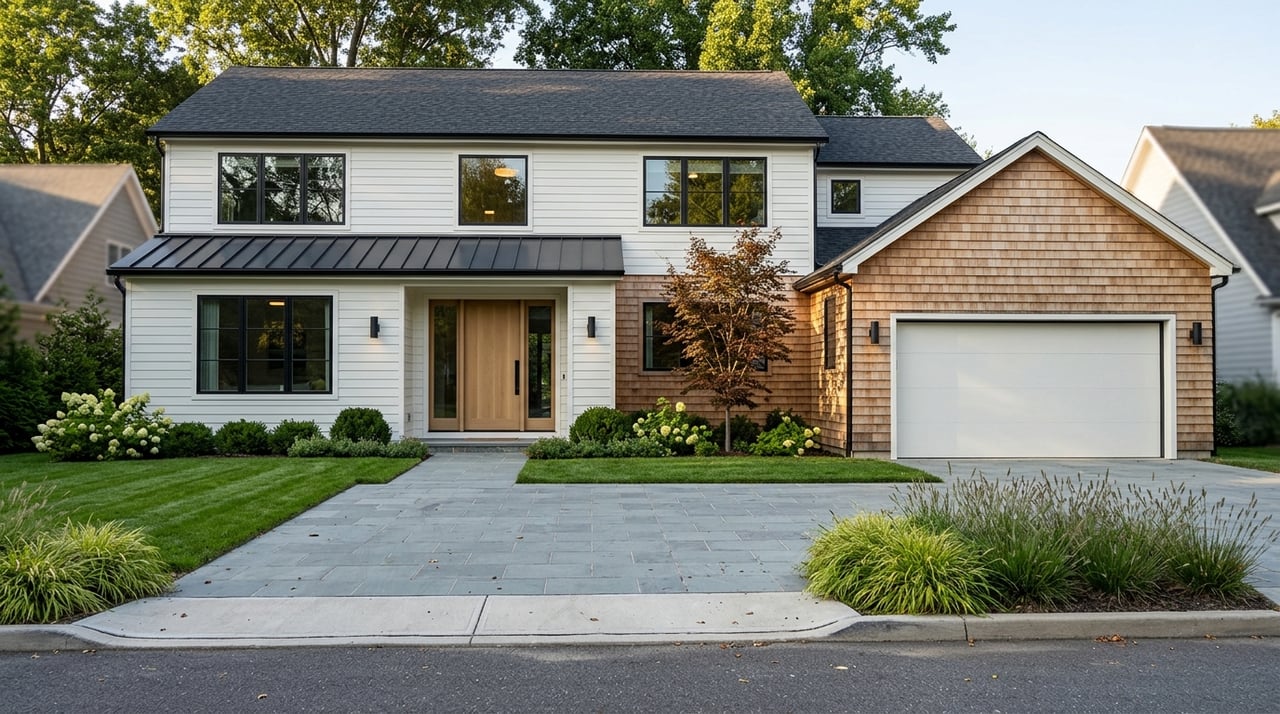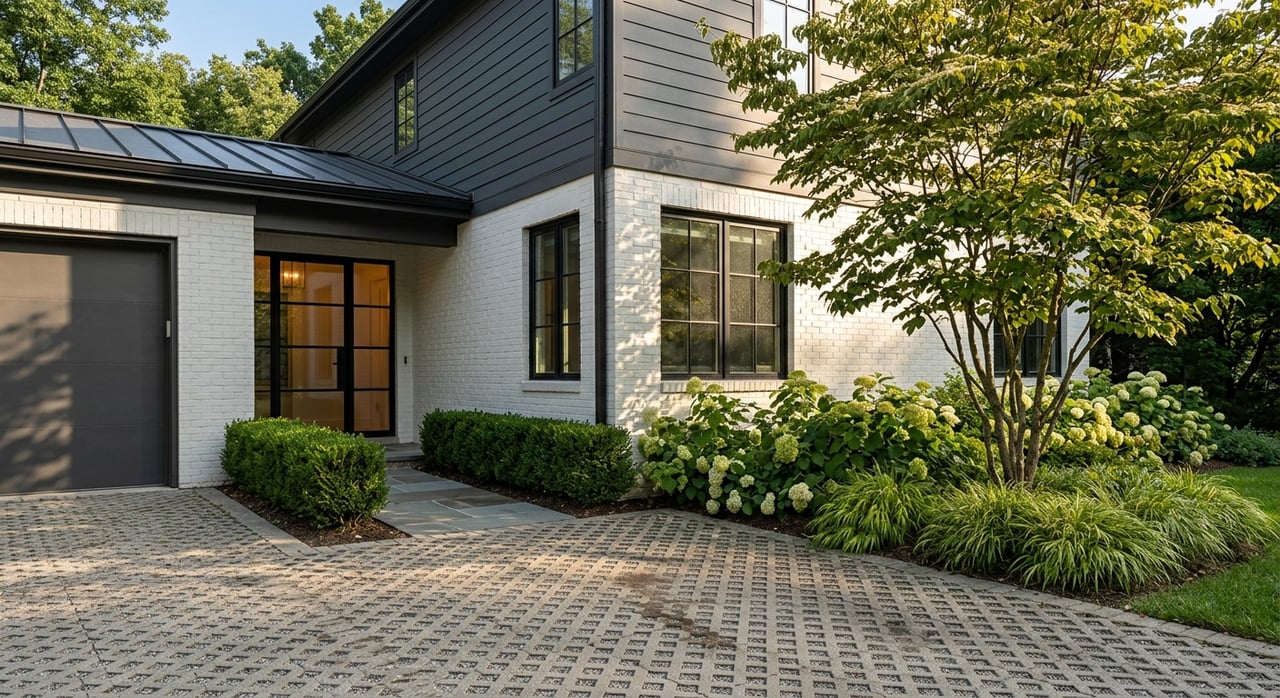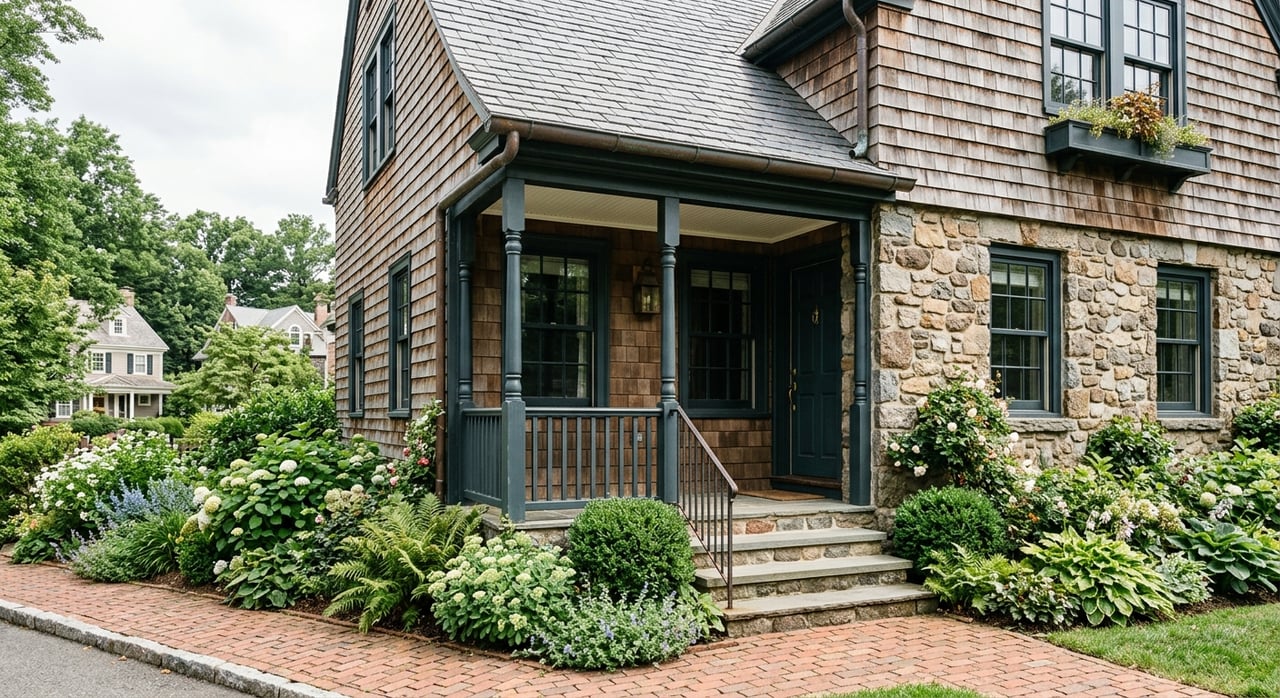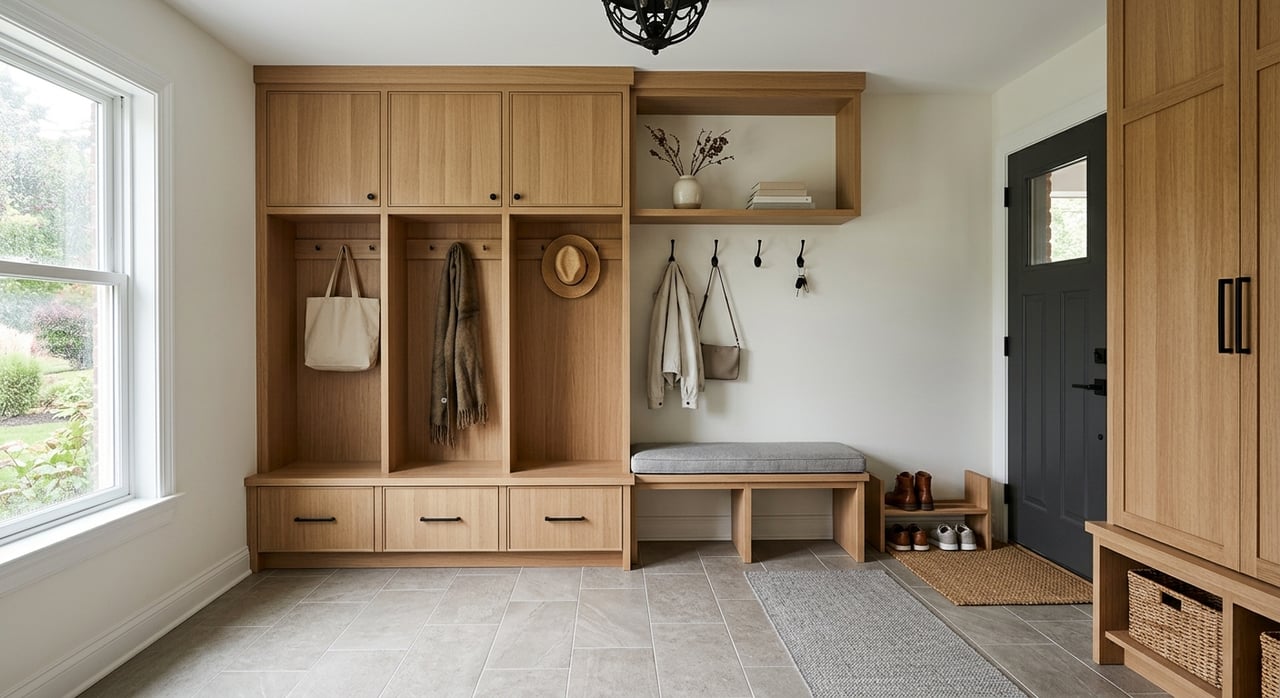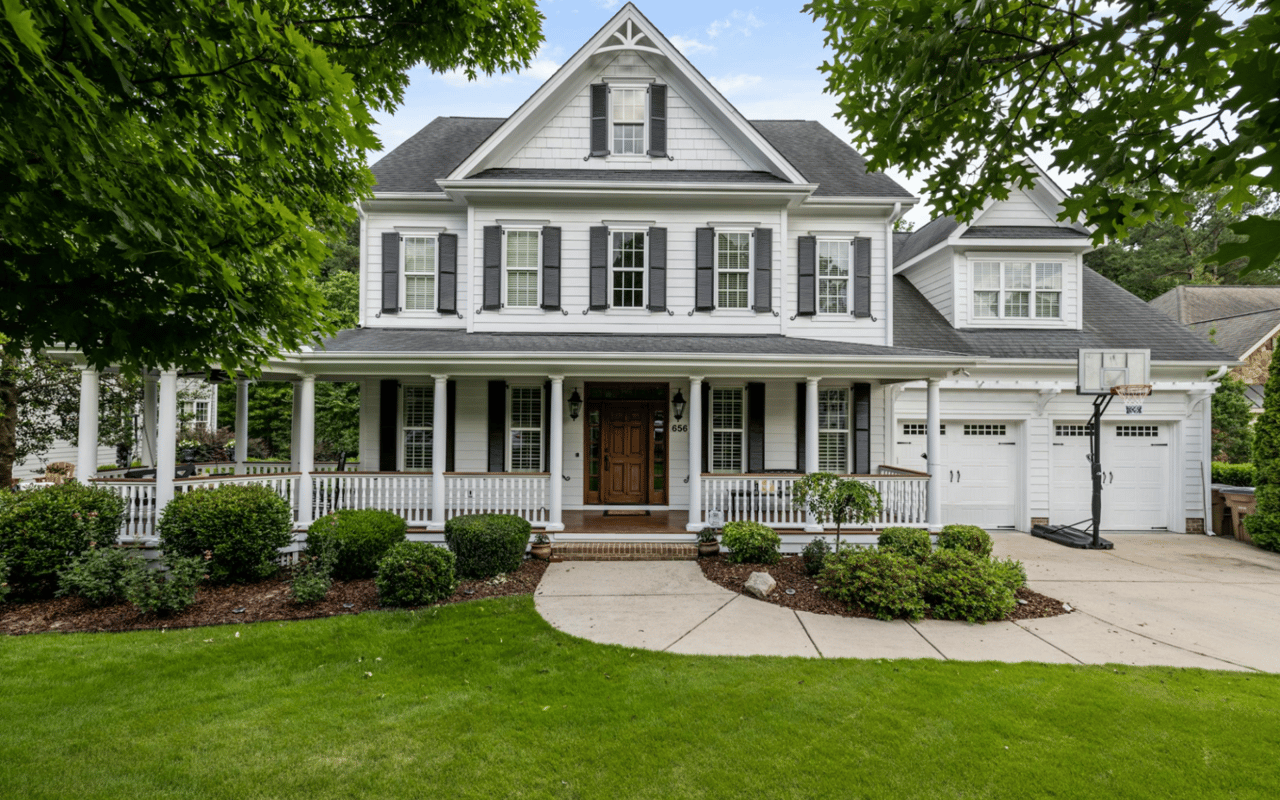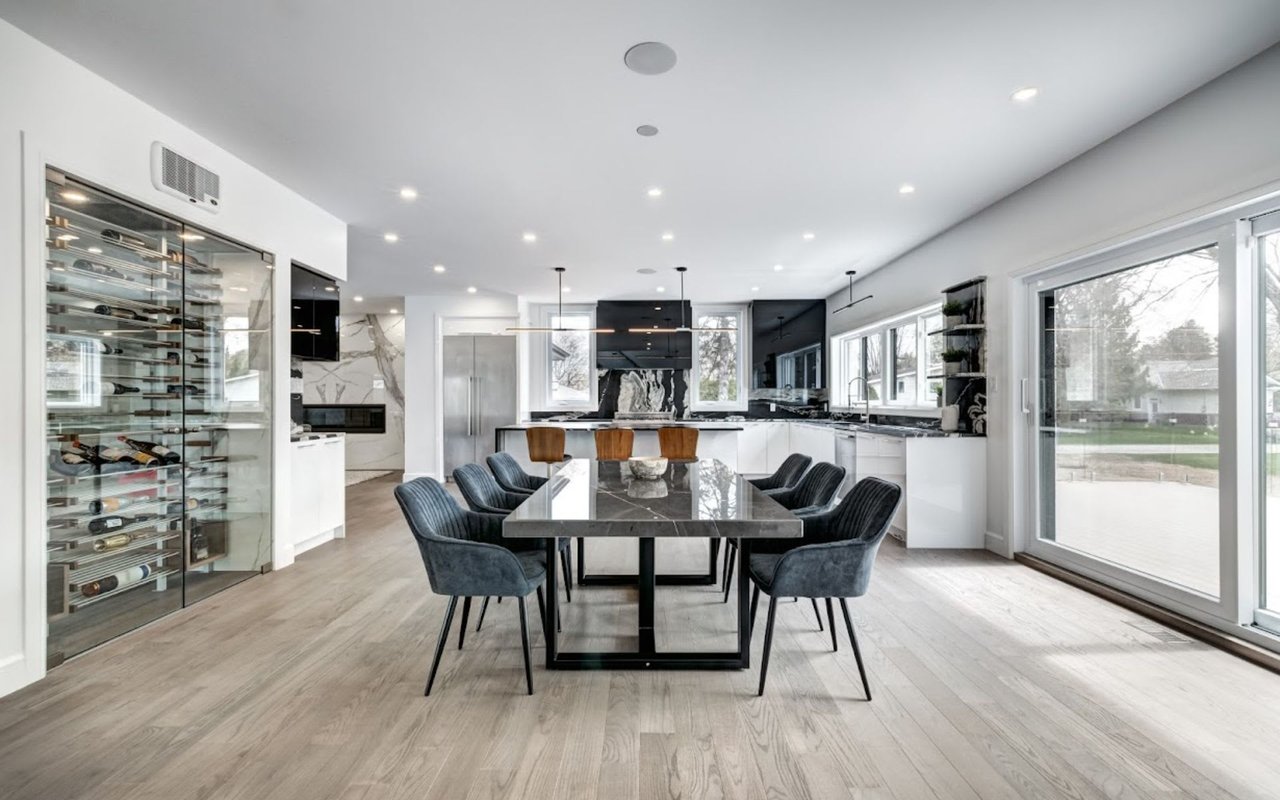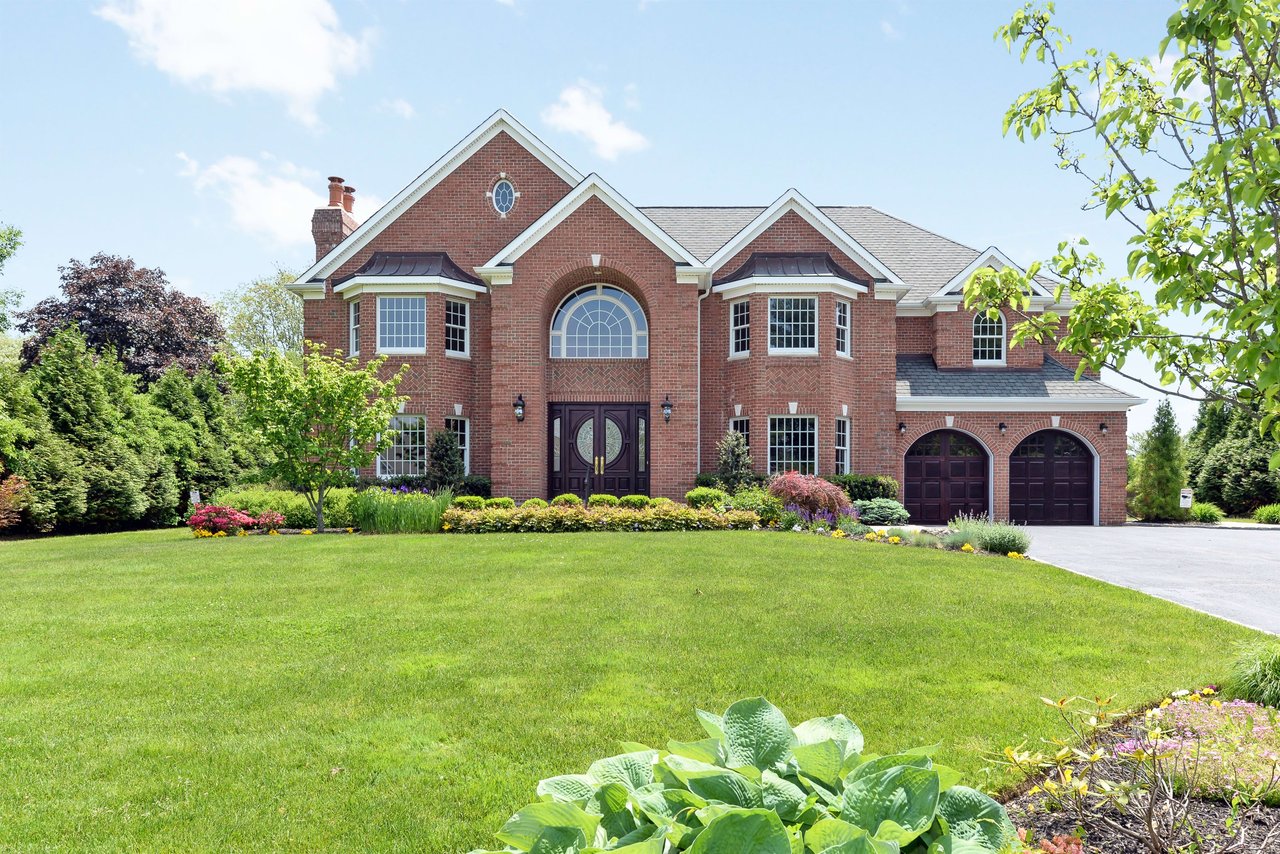
Thinking about building new or taking on a major renovation in Dix Hills? The exciting part is easy to picture: the layout, the finishes, the curb appeal, the way the home will live when it is done. The harder part is knowing what needs to happen before plans are finalized, permits are filed, and construction starts. This guide walks you through the local approval path, key Suffolk County considerations, and the smart planning steps that can help you move forward with confidence. Let’s dive in.
Start With the Property First
In Dix Hills, a successful project usually starts with the parcel, not the floor plan. Before you get attached to a design, you want to understand what the property can support under current Town of Huntington rules. That means checking zoning, setbacks, minimum area requirements, and any site history tied to the lot.
Huntington’s Engineering Services Department houses Building & Housing, which reviews building and site plans, issues building permits, oversees inspections during construction, and issues Certificates of Occupancy. The department also includes the Dix Hills Water District, which serves about 8,400 homes and businesses in the Dix Hills section of the Town. That local structure matters because water, permitting, and closeout often connect earlier than many owners expect.
The Town’s GIS and property information tools can help you do a first pass on a parcel. These tools may show zoning district, setbacks, taxes, building permit history, site history, and, in the professional version, comparable sales and approved site plans. The Town also notes that the property portal is not an official source, so you should verify key details with Town staff before making major design or purchase decisions.
Why zoning research matters early
Early zoning research can save you time, money, and redesign costs. If your wish list includes a larger footprint, expanded garage, finished basement, pool, retaining walls, or significant grading, each of those items may affect approvals and timing.
For a more complete preliminary picture, Huntington offers Zoning Verification Letters. These can summarize current and past zoning, applicable zoning rules, Zoning Board of Appeals decisions, open violations or complaints, nonconformities, and copies of site history and approved plans. For buyers evaluating a teardown, rebuild, or large addition, that can be one of the most useful early diligence tools.
Know the Approval Path Before Design Is Final
One of the biggest mistakes owners make is designing first and checking approvals second. In Dix Hills, it is better to understand the likely review path before your plans are fully baked. That helps your architect, engineer, and builder design around real-world constraints instead of assumptions.
Huntington requires a building permit for construction, alteration, moving, repair, modification, demolition, and change of use. The Town’s permit list also shows that many projects owners sometimes think of as minor can still require permits, including additions, garages, finished basements, decks, sheds, pools, retaining walls, and regrading.
For new residential dwellings, the filing package is detailed. It includes sealed construction drawings from an architect or engineer, proof of Suffolk County health approval or filing, a plumbing permit application signed by a licensed plumber, workers’ compensation documentation, and a foundation location survey before framing begins. The Town’s residential drawing standards also require plans to show compliance with New York State energy code requirements.
When a project may need zoning relief
If your proposal does not fit the zoning code, the next step may involve the Zoning Board of Appeals. Huntington’s Zoning Board of Appeals can grant area variances, use variances, or special use permits after a public hearing.
That is especially important if your plans push against setback limits, lot coverage, or other dimensional rules. If the property needs zoning relief, knowing that before final design can help you avoid wasted design fees and project delays.
Subdivision and lot changes
If your project involves subdivision or lot reconfiguration, the review path can become more complex. Town staff reviews the pre-application for code compliance and state environmental review, and parcels in a Hillside Area cannot receive a building permit until steep-slopes rules are applied.
Tree preservation can also come into play. If an application involves a subdivision or lot reappointment, the Town may require a tree plan that identifies trees to be preserved, removed, or replaced. For larger parcels in Dix Hills, this is worth discussing with your design team from day one.
Build the Right Team Early
Large projects move better when the right professionals are involved early. In Dix Hills, that usually means an architect or engineer, a builder who understands Huntington’s permit and inspection process, and any specialty trades needed for the scope.
This is not just about convenience. Huntington’s filing instructions require structural drawings, and new residential plans must carry the seal of a registered architect or professional engineer. If your team is assembled late, the approval process can feel reactive instead of controlled.
Screen contractors carefully
Contractor diligence is especially important in Suffolk County because home-improvement work is county licensed. Suffolk County Consumer Affairs recommends getting three written estimates and checking both license status and complaints before hiring.
That step is simple, but it matters. A strong bid is not just about price. It is also about whether the contractor has the licensing, process discipline, and scheduling realism to keep your project on track.
Plan inspections into the timeline
Inspection timing should be part of your schedule from the start. Huntington says building and plumbing inspections are generally scheduled 10 to 14 days out, and typical milestones include footings, foundation, framing, insulation, final building, and final plumbing.
Electrical approvals also need special attention. Huntington does not perform electrical inspections itself, so electrical work tied to a building permit must be approved by an authorized inspection agency before a Certificate of Occupancy can be issued. If your project includes fire alarms, sprinklers, or suppression systems, those permits come through the Town’s Fire Prevention Bureau.
Suffolk County Health and Wastewater Issues Matter
In Suffolk County, wastewater planning is a major part of the process. It is not something to leave for the end. New homes require a permit from the Suffolk County Office of Wastewater Management, and modifications to existing homes may also need approval to confirm the sewage disposal system meets the County Sanitary Code.
If the property is in a sewer district, additional county or local sewer approval may be required. If it is in a public water district, a water-availability letter may also be needed. Projects within 300 feet of a wetland may require approval from the New York State DEC or the Town.
Bedroom count changes need extra attention
For renovations on homes that are not connected to sewer, Suffolk County requires an approval or receipt with an R number when adding a potential sleeping room. That makes bedroom-count changes, dormers, and second-floor additions especially important to coordinate early with both your designer and the County.
This is one of those issues that can surprise owners in the middle of planning. A layout change that seems straightforward on paper can trigger a much more detailed sanitary review. If you are evaluating a renovation in Dix Hills, this is a key question to raise before construction drawings are finalized.
Financing and Budget Planning
Construction financing often works differently from a standard purchase mortgage. It is typically a short-term loan that pays out in draws as work progresses, and it may later convert to a conventional mortgage.
That structure makes upfront planning important. You want to understand not only the build budget, but also the timing of draw requests, inspection milestones, and contingency reserves for items that may change during construction.
A practical planning checklist includes:
- Confirming the parcel’s zoning and site history
- Ordering deeper Town verification when needed
- Reviewing whether Suffolk County health or wastewater approvals apply
- Understanding if the scope may require a variance or hearing
- Vetting architects, builders, and licensed trades early
- Building inspection lead times into the schedule
- Stress-testing the budget for design changes and closeout requirements
What not to assume about septic incentives
Some owners ask whether Suffolk County septic funding can offset a new build. The County’s Septic Improvement Program can be useful for replacing existing cesspools or septic systems in qualifying existing homes, but County materials state that new construction on a vacant lot is not eligible.
Current County materials note potential funding of up to $20,000 from the County program and up to $25,000 from the State reimbursement program for eligible replacements in existing homes. For ground-up construction, though, you should not build your budget around those funds.
Plan for Closeout From the Beginning
The finish line is not just the end of construction. It is the point where approvals, inspections, and final documentation all come together so the Town can issue a Certificate of Occupancy.
Huntington issues Certificates of Occupancy after required documentation and inspections are complete. For projects with sanitary systems, the Town’s inspection checklist also notes that final Suffolk County Department of Health Services approval may be needed before closeout.
This is why experienced planning matters. A clean closeout usually starts months earlier with organized filings, realistic scheduling, and good coordination among the owner, designer, contractor, and inspection parties.
Why This Matters for Buyers and Owners
If you are buying land, evaluating a teardown, or considering a major renovation in Dix Hills, due diligence can shape the entire investment. The right property is not just about location or square footage. It is also about what the site can legally and practically support.
That is where a real estate team with a build-aware mindset can add value early. You want to look at the parcel, the approval path, the likely timeline, and the resale implications together, not as separate conversations.
When you are planning a high-value move in Dix Hills, details matter. If you want strategic guidance around a property purchase, renovation potential, or a new construction opportunity, connect with Deepak Hemrajani for a decisive, white-glove approach built around smart planning and strong local execution.
FAQs
What permits are commonly required for renovation work in Dix Hills?
- In Huntington, permits may be required for additions, garages, finished basements, decks, sheds, pools, retaining walls, regrading, demolition, repairs, modifications, and changes of use.
What should you check before designing a new home in Dix Hills?
- You should start by reviewing the parcel’s zoning, setbacks, minimum area requirements, site history, permit history, and any open issues, then verify key details with Town staff.
What is a Zoning Verification Letter in Huntington?
- It is a Town-issued letter that can summarize current and past zoning, applicable rules, Zoning Board of Appeals decisions, open violations or complaints, nonconformities, and approved plan history.
What Suffolk County approvals may matter for a Dix Hills construction project?
- Depending on the scope, you may need Suffolk County wastewater or health approvals, sewer-related approvals, a water-availability letter, or sanitary review tied to bedroom-count changes.
What happens if your Dix Hills project does not meet zoning rules?
- If a proposal does not conform to the zoning code, it may need review by the Huntington Zoning Board of Appeals for an area variance, use variance, or special use permit.
How far out are inspections typically scheduled in Huntington?
- Huntington states that building and plumbing inspections are generally scheduled 10 to 14 days out, so that lead time should be built into your project schedule.
Can Suffolk County septic incentive funds be used for new construction in Dix Hills?
- No. County materials state that the Septic Improvement Program is for eligible replacements in existing homes and that new construction on a vacant lot is not eligible.