
Leave a Message

Thank you for your message. We will be in touch with you shortly.

Explore Our Properties
#makethatmove®

Buyer's Guide

Are you looking to sell your home in New York or the surrounding areas? To get the best value for your property, you need an experienced real estate team by your side. Read on to learn more about the home selling process, use our online tool to see what your home might be worth, and contact the DH Citadel Real Estate team to get started!

Default Image

Step 1: Compile Your Wish List

Buying a home should be one of the most exciting milestones of your life. To prepare yourself for this moment, you need to know what to expect during the process. This step-by-step first-time homebuyer’s guide created by our team will reduce the stress of buying a home and help you enjoy the journey.

Default Image

Step 2: Decide on Your Budget

Examine your current expenses and determine how they might change if you purchase a home. Create a comprehensive household budget so you can factor in any new ongoing expenses that might come with a home purchase, such as garbage and recycling, water, or homeowner’s association fees. Once you decide how these expenses will change, you’ll be better equipped to leverage the information you get in step three.

Default Image

Step 3: Get Prequalified

Prequalification is a great start for understanding your purchasing power, but it’s not the only factor. A lender may pre-approve you for more than you’re comfortable spending, which is why the budget you compiled in step two is so important. The opposite can also happen, where you believe you can afford a certain payment every month, but the bank doesn’t agree. This often happens when you’re new to your job, have insufficient credit, or have bankruptcies or other financial issues in your history.

You’re not required to stick with this lender when you ultimately finance your purchase, but this process is a great way to vet mortgage providers. Also, a prequalification letter can make you a more competitive candidate in multiple-offer situations.

Default Image

Step 4: Choose Your Real Estate Experts

Now it’s time to find your dedicated real estate representative! Regulations enacted in 2024 require real estate agents to obtain a signed buyer’s agreement before showing consumers homes. Of course, we do a great deal more than opening up listings; we can help you understand your local market, identify areas and properties that fit your specific criteria, help you create competitive offers that match your financial and logistical needs, and much more.

Default Image

Step 5: Find the Right Home

Your agent will arrange showings of properties that meet your specific criteria and price range, taking note of your likes and dislikes to further refine their search parameters. They’ll help you explore the details — from storage to light switches to the flow of a home — and understand the pros and cons of the options in front of you. They’ll also help you make time to explore the neighborhood and examine elements like local traffic at different times of the day, parking options, and proximity to neighborhood amenities like schools and grocery stores.

Default Image

Step 6: Finalize Your Financing

Once you’ve narrowed down your home search, it’s time to go back to the mortgage provider who prequalified you in step three and obtain preapproval. With a property and purchase price in mind, your lender can get much more specific about your interest rate, monthly payments, the term of the loan, and special programs such as first-time homebuyer grants and loans through the VA and FHA. While you will primarily work with your bank to select the right options for you, we’re here to offer support and recommend mortgage providers we’ve worked with in the past if you get stuck.

Default Image

Step 7: Make an Offer

Once you have selected the perfect home and have your finances in order, your agent will help you craft a fair offer price based on the value of comparable homes on the market. You’ll also work through details such as timing, contingencies, and fees. After your agent submits the offer on your behalf, they will help you negotiate counteroffers and reach an agreement with the seller. At this point, the house will go into escrow.

Default Image

Step 8: Have the Home Inspected

In most cases, your offer will be contingent on the home passing inspection. This protects you from purchasing a property that has serious structural issues or requires major repairs. We have a list of trusted local providers, but you can hire any licensed home inspector you like. If the inspection uncovers major issues, you can withdraw from the sale or renegotiate your offer based on what needs to be fixed.

Default Image

Step 9: Obtain a Home Appraisal

The appraisal ensures that you are paying a fair price for the house. Your mortgage provider will hire an appraiser to inspect the property and offer an independent opinion of its value. Sometimes, appraisals may come in too low, which can impact the amount of money the bank is willing to lend. In this case, your agent can help you determine next steps and navigate the appeal process.

Default Image

Step 10: Complete the Paperwork

No one looks forward to all the paperwork stacked up on the closing table, but it’s a necessary part of the process. Fortunately, everything will be arranged by your lender and title company. And, when you’re finished, you’ll be the legal owner of your new home.

Congratulations!

After signing the final paperwork to complete the purchase, you are now the owner of a new house. It may take a few days for your loan to be funded once the paperwork has been returned to the lender, but once that check is delivered to the seller, you’ll be all set to move into the home of your dreams. 
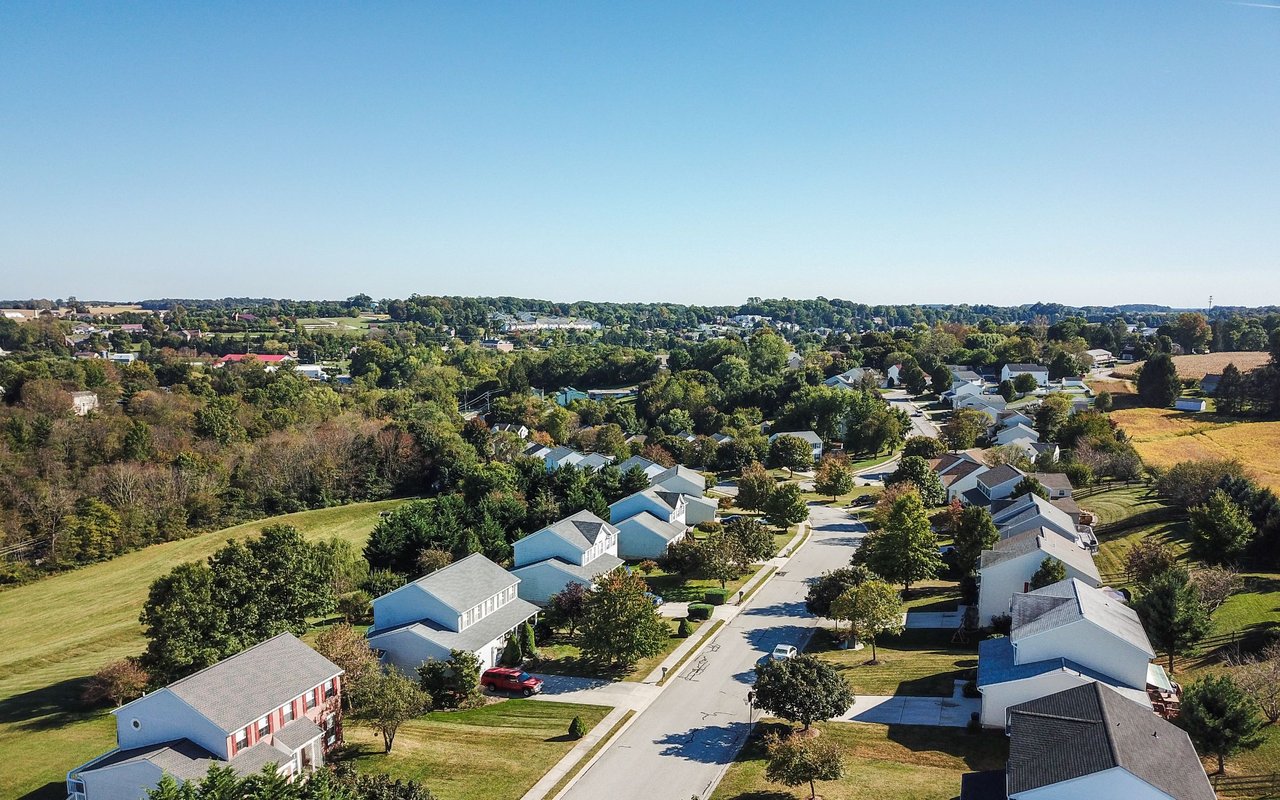
Buying a Home

The home-buying process can move quickly once you make an offer on a house, closing in as little as three to four weeks and taking up to six to finalize a purchase. Of course, the journey to finding a house can prove more challenging and time-consuming.

But it doesn't have to.

Below, we've put together a home buying reference guide that touches on the high points of five significant steps in the process of buying a home:
 
  • Engage an experienced real estate agent
  • Review your finances and seek out pre approval
  • Tour properties
  • Make an offer
  • Time to close
There are nuances with every home search and more things to consider based on the type of home you're buying and where you're buying it (a historic, coastal home, for example). This guide will at least prepare you for most standard home searches. And it all starts with hiring an experienced real estate agent.
Though hard to quantify on paper, your real estate agent is a valuable resource of local data, insight, and first-hand knowledge. More than a tour guide, your agent helps provide:
 
  • The pros and cons of neighborhoods or specific residential buildings and where to buy based on your lifestyle needs (young professional, growing family, or ready to retire)
  • Information about an area's top public and private schools or childcare facilities 
  • Insight into a city or county's zoning codes, ordinances, or regulations that may impact your home purchase 
  • Knowledge of the best places to eat, drink and seek entertainment or explore the outdoors
  • Experienced representation at the negotiation table and throughout the buying process, helping you secure the best home at a price that works for you 
Before buying a home, you want to ensure your finances are sound and that not only will you be approved for a home, but you can afford it long term. 

This is also an excellent time to determine what you want from your home and your preferred neighborhoods, as they will significantly impact your costs. Create a budget, and remember to apply fees before and after you close on the home. 

When shopping for loans — and yes, you can and should shop for loans — you can get prequalified relatively quickly, but if you are serious about buying, seek pre approval instead.
The best part about the home buying process is when you get to peek behind the curtains of other people's homes with the hope of making one of them yours. A key component in choosing the right home is picking the right neighborhood. 

Along with your needs and wants for the house, create a similar list for the neighborhood, conducting some personal due diligence. Be sure to:
 
  • Drive around your favorite neighborhoods during different times of the day and week
  • Assess whether the homes are well-maintained 
  • Note how convenient the commute will be to work, school, retail, or entertainment
  • Verify school information and neighborhood amenities to ensure it's a place you want to live
Once you've narrowed down the right home and neighborhood, make an offer. 

Your real estate agent will prove to be a valuable asset by helping you create a competitive offer. They'll account for area comps and past sales to determine if the list price is fair and if you have room to maneuver.

When finalizing your number, be sure it's a price you are comfortable submitting. Especially in competitive markets, where buyers are forced to bid high, you don't want to regret later trying to win a bidding war or agree to conditions that could hurt you financially long-term.

Once a seller does accept, earnest money changes hands, and the home is under contract.
The closing process can seem a bit dizzying with its numerous moving parts, but you can take comfort knowing that all of it is moving towards a singular goal. Some of what to expect includes:
 
  • Execute option fee
  • Deposit earnest money
  • Submit loan application
  • Lender appraisal
  • Home inspection
  • Negotiate repairs or credits with the seller
  • Title search and tax verification
  • Final walkthrough to ensure repairs are complete
  • Provide proof of homeowners insurance
  • Prepare any closing costs
  • Settlement and execution of paperwork
Should something from the inspection prove less-than-satisfactory, you can negotiate repairs or a credit for the issues. If the seller balks, you can still back away from the deal. But assuming all goes well, the whole process moves swiftly. After that, you can expect to:

  • Pay any closing costs or fees
  • Execute the necessary paperwork 
  • Have the property title transferred to your name and sign the paperwork
  • Establish an escrow account for taxes, insurance, or HOA fees
Once everything is complete, fees are paid, and papers are signed, the keys to your new home are now yours.
If you're seeking the ideal home in the perfect neighborhood, you should consider The DH Citadel Real Estate to help you secure your next great home. 
 
  • As a boutique real estate firm, our hands-on approach and concierge-level service ensure that we'll do whatever is necessary to make your home search highly successful.
  • More than just real estate agents, we are customer service providers. That service extends well beyond the home buying process to ensure you're not just happy with your purchase but that you are thriving in your home. If there's something not quite right after moving in, let us know, and we'll do whatever we can to make it right. 
  • We’ll go out of our way to ensure that the home buying process is fun, fulfilling, and a true partnership that meets your every need.

Follow Us On Instagram